915,000 teachers tasked with educating 31.7 million Nigerian pupils
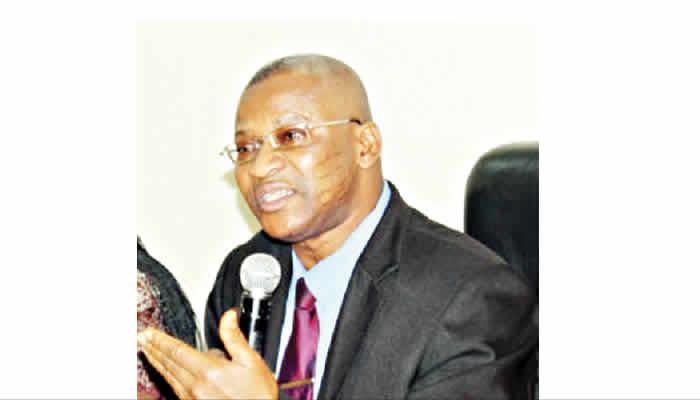
915,000 teachers tasked with educating 31.7 million Nigerian pupils

Only 915,913 teachers are currently available to cater to over 31,771,916 pupils in both public and private primary schools across Nigeria, according to data from the Universal Basic Education Commission.
This comes as teachers across various states and the Federal Capital Territory continue to grapple with issues such as non-payment of the minimum wage and poor working conditions.
Recently, teachers in the FCT embarked on a strike over the failure of area councils to implement the minimum wage approved by President Bola Tinubu last year.
Additionally, it was reported that 18 states across the country did not recruit any new teachers between 2019 and 2024—a period spanning five years.
Similarly, the Teachers Registration Council of Nigeria raised concerns over what it described as the shortage of qualified teachers in the country.
It said the shortage was more pronounced in rural areas, exacerbating educational inequality.
The immediate-past Registrar of the TRCN, Prof Josiah Ajiboye, who spoke with our correspondent while in office, said, “The surge in the population of school children, and the increase in the number of schools in Nigeria, both government and private, present a complex challenge for the education system.
“The availability and quality of qualified teachers are crucial factors in ensuring students receive quality education. However, the shortage of qualified teachers is a concerning issue in Nigeria for several reasons.”
He explained that with a growing population of school children and insufficient recruitment of new teachers, the teacher-pupil ratio in many schools had become unfavourable.
According to the data from UBEC and obtained by the press, the country has at least 131,377 primary schools (public stands at 65,529 and private, 65,848).
For the number of pupils in public primary schools, the commission pegged the figure at 24.2 million, while those in private stands at 7.4 million.
The President of the National Union of Teachers, Titus Amba, said the manpower crisis had left pupils to suffer learning poverty with a bleak future ahead.
According to him, the situation in junior and senior secondary schools, especially in rural communities, was worrisome.
Amba pointed out that in many schools, especially in rural areas, there were only one or two teachers available to manage large numbers of students, leading to what he described as “learning poverty.”
He stated, “Field reports highlight a disturbing shortage of personnel, with some primary schools being run by just one or two teachers. This leaves pupils trapped in learning poverty and facing an uncertain future.”
He called on all tiers of government to respond to the global appeal for well-trained and adequately supported teachers, stressing that every child deserves access to a qualified educator to ensure sustainable progress in education.