Nigeria Sets 2060 Deadline to Achieve Net-Zero Carbon Emissions
Nigeria Sets 2060 Deadline to Achieve Net-Zero Carbon Emissions
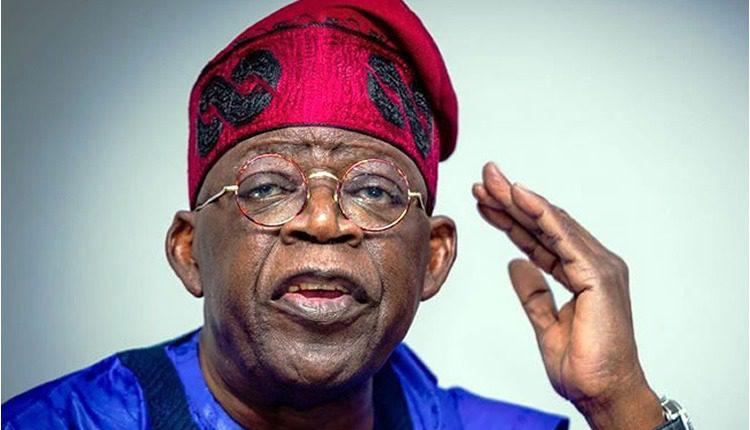
President Bola Tinubu on Monday reiterated Nigeria’s pledge to reach net-zero carbon emissions by 2060, unveiling initiatives to expand investments in gas, renewable energy, and hydrogen as part of the country’s energy transition strategy.
Speaking through the Permanent Secretary of the Ministry of Solid Minerals Development, Faruk Yusuf, at the High-Level Leaders’ Event of the Second Africa Climate Summit in Addis Ababa, Ethiopia, Tinubu emphasised that Nigeria’s transition plan aims to balance industrial growth, job security, and climate action.
He noted that the country has already implemented legal and policy measures, including the Climate Change Act 2021, and is finalising the new Nationally Determined Contribution 3.0, an economy-wide roadmap set for launch in 2025.
“Nigeria is committed to a just and accelerated energy transition,” he stated.
Our communities are bearing the harshest climate impacts despite contributing minimally to global emissions. We must ensure climate justice in achieving our goals,” Tinubu said.
He explained that the government was prioritising gas-to-power projects alongside an accelerated scale-up of solar and wind under the “Mission 300” plan.
Green and blue hydrogen pilots, as well as utility-scale energy storage, are also being deployed to stabilise the national grid.
Tinubu highlighted additional initiatives, including climate-smart agriculture for smallholder farmers, flood-control infrastructure, resilient housing projects, and the nationwide distribution of clean cookstoves and LPG cylinders, aiming to reduce household air pollution by 60 per cent by 2030.
Regarding financing, he revealed that Nigeria plans to mobilise substantial climate funds over the next five years, directing at least 40 per cent toward adaptation and resilience projects in vulnerable communities.
The president also called on African leaders to prioritise regional power pooling, use green guarantees to reduce investment risks, and increase access to private capital and technology.
“Nigeria stands ready to collaborate with member states, institutions, and development partners to turn ambition into scalable climate action,” he added.