Atiku Opposes Fuel Subsidy Removal, Cites Impact on Education and Living Standards.
Atiku Opposes Fuel Subsidy Removal, Cites Impact on Education and Living Standards.
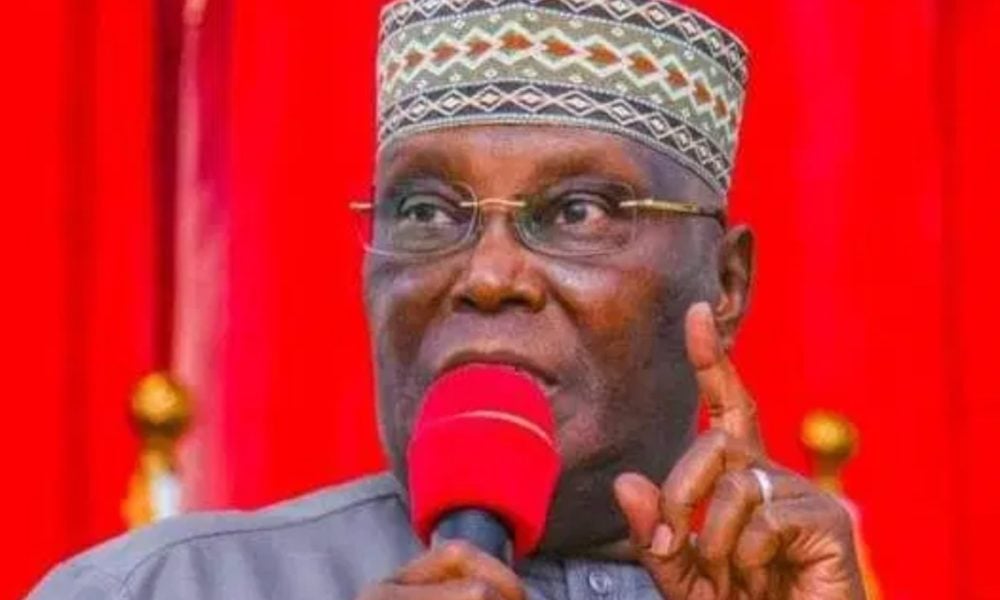
In a sharp critique of the current administration, Atiku Abubakar, presidential candidate of the African Democratic Congress (ADC), has accused President Bola Tinubu’s government of perpetuating a vicious cycle of poverty among Nigerians. Atiku’s comments come amid ongoing debates over the recent removal of fuel subsidies, a policy that has sparked widespread economic concerns across the country.
In a statement signed by his spokesman, Phrank Shaibu, Atiku argued that the government’s justification for subsidy removal—allocating more funds to state governments—raises serious questions about the state of public services, particularly education. The former vice president emphasized that the policies implemented by the current administration are exacerbating the hardships faced by ordinary Nigerians, especially students and their families.
Atiku highlighted that the removal of fuel subsidies has led to increased transportation costs, which in turn impact food prices and other essential goods. This inflationary trend has made it more difficult for families to afford basic needs, including education. He noted that the government’s recent efforts to provide student loans through initiatives like NELFUND are offering only temporary relief, and in many cases, are insufficient to address the root of the problem.
According to Atiku, the government’s approach is counterproductive. He pointed out the irony that after making education more expensive—by hiking tuition fees and transportation costs—the same government then introduces student loans as a solution. “What kind of reform first empties a family’s pocket and then offers the child a loan to survive the hardship government helped create?” Atiku questioned. He described this cycle as a “vicious circle of government-manufactured poverty,” suggesting that rather than alleviating hardships, current policies are deepening them.
Atiku’s critique extends beyond economic policy, touching on the broader implications for social development. He expressed concern that the twin issues of rising living costs and inadequate educational funding threaten Nigeria’s future, especially its youth. The ADC flagbearer called for more sustainable and people-centered policies that address the core issues of poverty and access to quality education.
This criticism comes at a time when Nigeria is grappling with various socio-economic challenges, including rising inflation, unemployment, and infrastructural deficits. Critics argue that the government’s focus on subsidy removal and fiscal adjustments needs to be balanced with policies that support vulnerable populations, particularly students and low-income families.
In conclusion, Atiku Abubakar’s remarks underscore a growing discontent with the current government’s economic strategies. He warns that unless there is a shift towards policies that genuinely alleviate poverty and improve public welfare, Nigeria risks falling deeper into a cycle of hardship that could hinder its developmental prospects for years to come.