FG Urges Nigerians to Make Self-Care a Priority

FG Urges Nigerians to Make Self-Care a Priority
The Federal Government on Thursday called on Nigerians to make self-care a top priority, describing it as an essential and non-negotiable step towards achieving Universal Health Coverage and improving the overall well-being of citizens.
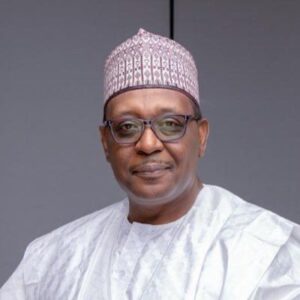
This call was made by the Coordinating Minister of Health and Social Welfare, Professor Muhammad Pate, during a press briefing marking National Self-Care Day. The event carried the theme: “Self-care: Empowering individuals, families and communities for Universal Health Coverage,” and the slogan: “Prevent, protect and empower.”
Internationally, July 24 is celebrated as Self-Care Day to highlight the importance of embracing self-care practices around the clock—24 hours a day, seven days a week.
According to the World Health Organisation, self-care refers to the ability of individuals, families, and communities to maintain and promote health, prevent illness, and manage conditions—either independently or with limited support from healthcare professionals. This includes the use of medicines, medical devices, diagnostic tools, and digital health technologies.
Pate, who was represented by the ministry’s Director of Food and Drug Services at the Ministry, Olubunmi Aribeana, emphasised that, “Self-care is not a luxury, but a necessity. We must prioritise our physical, emotional, and mental well-being to lead healthy, productive, and fulfilling lives.
“Globally, July 24 is observed as International Self-Care Day to highlight the crucial role of self-care in maintaining overall health and well-being, and to emphasize the need for individuals to prioritise their physical, mental, and emotional health, encouraging them to engage in practices that promote their well-being, especially during times of stress.
“The importance of international self-care cannot be overemphasized as it promotes overall health and wellness, empowers individuals, raises awareness, reduces burnout, and encourages a ripple effect.”
The minister noted that self-care is being adopted as both a policy and a cultural value in the country.
“Self-care is more than taking medication or eating healthy. It is the intentional choices we make every day to protect, preserve, and promote our physical, mental, emotional, and social health. Self-care is not the absence of care, it is the amplification of care.
“For a country of over 200 million citizens, many in the rural and underserved regions, self-care offers a bridge between personal health and national well-being. Our government recognises the importance of self-care and has taken concrete steps to promote it.
“We have developed the National Guidelines on self-care for Sexual, Reproductive and Maternal Health and the Demand Generation Strategy on self-care for Sexual, Reproductive and Maternal Health in Nigeria, aimed at creating an enabling environment that supports individuals, families, and communities in practicing self-care,” he added.
He, however, said achieving effective self-care requires the collaboration of all stakeholders, including development and implementing partners, civil society, organisations, private entities, and individuals.
In her welcome address, the Director and Head at the Department of Family Health, Federal Ministry of Health and Social Welfare, Binyerem Ukaire, highlighted that healthcare goes beyond treatment, as it includes prevention and empowering people with tools for self-care and informed health decisions at home.
Together, we will redefine health, and self-aware society where no one is left behind, and where everyone understands their critical role in their health and their well-being, so that Nigeria can also have the narrative of achieving the Sustainable Development Goal three of optimal health and well-being for all, as well as universal health coverage,” she stated.
The Assistant Chief Programme Delivery Officer at the Society for Family Health, Anthony Nwala, said self-care has been recognised as a key strategy for achieving Universal Health Coverage.
“We worked with the Federal Ministry of Health to identify necessary steps for integrating self-care into the health system, looking at the policy, demand, and supply aspects,” he said.
Nwala, however, stressed the need to ensure that poor, vulnerable, and hard-to-reach populations also have access to quality health care services, including self-care.
On his part, the Acting World Health Organisation Country Representative, Alex Gasasira, noted that with millions in the African region, including Nigeria, lacking access to essential health services and a global shortage of health care workers, self-care interventions have the potential to significantly transform how people manage their health and well-being.
“World Health Organisation recommends making self-care interventions available in every country to enhance access to services. We congratulate Nigeria for being one of the first countries to launch national guidelines on self-care for sexual, reproductive, maternal health in 2020, as well as a five-year strategic plan on self-care.
“commend the Federal Ministry of Health and Social Welfare for cascading the self-care advocacy campaign to about 24 states.
“The World Health Organisation has introduced the Self-Care Wheel—an innovative tool designed to help individuals identify which health interventions they can safely manage on their own and which ones require support from healthcare professionals,” he said, adding that WHO is committed to partnering with Nigeria to adapt and implement the Self-Care Wheel locally.
The organisation also pledged its support to the Ministry of Health and other stakeholders in building the capacity of healthcare workers to effectively guide and assist patients in practising self-care.
Miss Omolade Ogunlela, Programmes, Advocacy and Communication Manager at White Ribbon Alliance Nigeria, reiterated the organisation’s dedication to the health and well-being of women and girls. She emphasised their role in advocating for self-care and increasing awareness among critical stakeholders, particularly within the healthcare sector.
“Our mission is to ensure the well-being of women and girls. Since the national adoption of self-care, we have taken it as our responsibility to drive strong advocacy and raise awareness, especially among professional healthcare associations,” she said. “We are now focusing on forming strategic partnerships to jointly promote self-care, recognising its vital role in achieving Universal Health Coverage.”