Nigeria Faces Worsening Gas Scarcity as Prices Surge Nationwide
Nigeria Faces Worsening Gas Scarcity as Prices Surge Nationwide
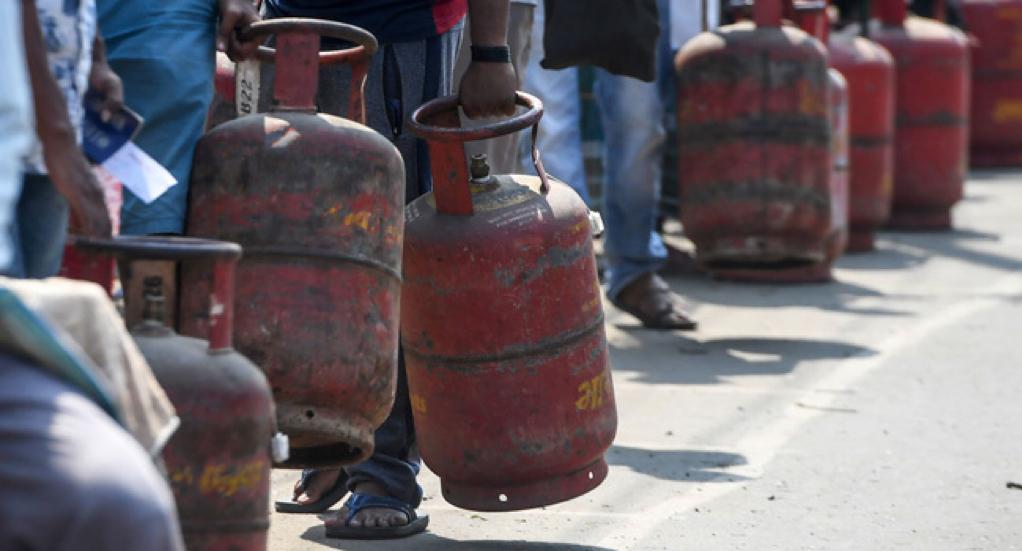
Nigeria is currently grappling with a worsening gas scarcity that has triggered sharp increases in the price of cooking gas across major cities. The shortage, which began subtly in late September 2025, has now intensified, leaving many households and businesses struggling to cope with the rising cost of Liquefied Petroleum Gas (LPG).
In Lagos, Abuja, and Port Harcourt, the price of a 12.5kg cylinder of cooking gas has reportedly surged from around ₦10,000 to between ₦14,000 and ₦16,000 within just two weeks. Retailers and distributors have attributed the hike to supply disruptions, high international prices, and logistical bottlenecks in local distribution networks.
Industry stakeholders have blamed the crisis on the limited availability of foreign exchange, which has made it difficult for importers to restock supplies. Nigeria, despite being one of Africa’s largest natural gas producers, still depends heavily on imported LPG to meet domestic demand. The Nigerian Association of Liquefied Petroleum Gas Marketers (NALPGAM) recently warned that the situation could worsen if urgent measures are not taken to stabilize supply and reduce import costs.
The Nigerian Midstream and Downstream Petroleum Regulatory Authority (NMDPRA) has acknowledged the scarcity, assuring the public that efforts are underway to restore normalcy. The agency said it is working closely with producers and terminal operators to increase domestic supply and ensure that marketers receive sufficient allocation.
Meanwhile, consumers have continued to express frustration as the scarcity bites harder, forcing some households to revert to charcoal and firewood for cooking. Analysts warn that the prolonged shortage could further impact inflation, as energy costs ripple across sectors of the economy.
Experts are calling on the federal government to prioritize investments in gas infrastructure, promote local production, and address the forex challenges affecting importers. Until sustainable measures are implemented, the recurring cycle of gas scarcity and price hikes may persist, burdening millions of Nigerians who rely on LPG for their daily energy needs.