Ogun State’s Roadmap: Dapo Abiodun’s Legacy Projects Lead to 2040 and Beyond
Ogun State’s Roadmap: Dapo Abiodun’s Legacy Projects Lead to 2040 and Beyond
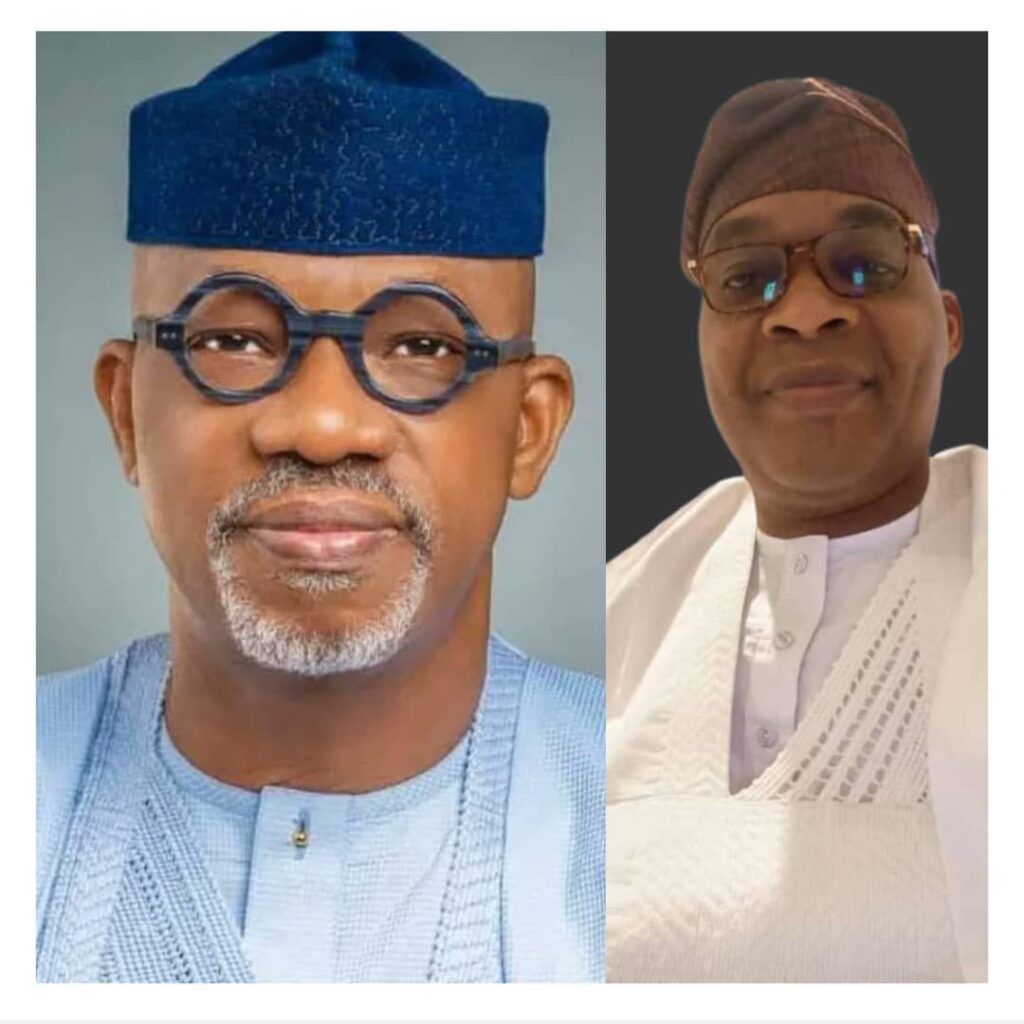
By Otunba Tola Olutayo (HTO – Belgium), Sagamu Local Government.
Date: 12/12/2025
Ogun State – The government of His Excellency, Prince (Dr.) Dapo Abiodun, MFR, is going step by step in building a legacy that would bring prosperity to Ogun State for another century and even beyond. This is already a general view among analysts and insiders who see it as a massive blueprint that comes with the visible infrastructural development to have ubiquity and resilience in the institutions, transforming human capital and futuristic economy.
Hon. Tola Olutayo, while narrating the state’s change, credits Governor Abiodun with “visionary leadership” who has rightly stepped into the governance cycle and shifted it from short-lived projects to future-minded system established today that will last and eventually adapt beyond 2040.
The Nine Pillars of a Future-Ready Ogun
The Governor’s legacy is built on nine interdependent pillars, each one strategically designed for a lasting effect:
1. Aviation & Global Connectivity:
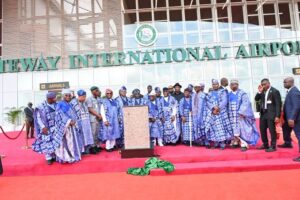
The Gateway International Agro-Cargo Airport in Iperu-Ilishan is more than a runway; it is the seed for an “Aerotropolis.” Designed as Nigeria’s emerging aeronautical hub, it integrates aviation logistics, perishable cargo handling (leveraging the state’s agro-strength), and future aerospace industries. Its strategic location aims to decongest Lagos air traffic while positioning Ogun as West Africa’s premier trade and logistics gateway.
2. Education Redefined:
The revolution in education by the administration with the slogan “Knowledge Economy of 2040” is moving to take the education system beyond brick and mortar to its target then. The Ogun Digital Classrooms Initiative and the Tech Hubs across the state are the foundations of this radical change that makes it possible to build or renovate over 1,000 schools. These centers are nurturing the very first innovations in STEM, robotics, and artificial intelligence, thus making Ogun’s young people not only consumers but producers in the international digital market.
3. Housing & Sustainable Living:
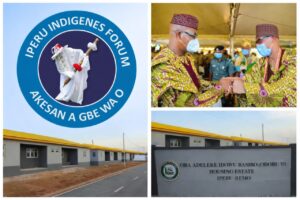
The Affordable Housing Program is leading the way in the establishment of “Smart, Green Communities.” The designs for the estates include such facilities as solar power, broadband, and water recycling. The financial arrangement of flexible mortgage schemes like the Ogun Home Ownership Mortgage Scheme (OHOMS) ensures that ownership is not only accessible but also considerate of the population and environmental aspects that will be there in the future.
4. Healthcare as a Right:
The ultimate aim is a health system that is decentralized and enabled by technology. Revamping the Primary Healthcare Centres in all 236 wards is only one of the steps the administration is taking to ensure that the healthcare system is able to withstand shocks. The building of the 250-bed Ogun State General Hospital in Abeokuta and the acceptance of the Ogun State Health Insurance Scheme (OGSHIS) by a large portion of the population are other steps that are being taken to improve the situation. Investments in telemedicine and specialist training are geared towards de facto and de jure victories in the health sector of the future.
5. Youth: From Empowerment to Ownership:
The administration does it slowly but surely by offering entrepreneurship instead of unemployment. The Ogun Job Portal and Ogun TechHub are the quickest and easiest ways to the job market. Initiatives like “OKOWO Dapo” and agripreneur support are making a whole generation that can create jobs instead of merely seeking them, thus getting directly involved with the state’s agriculture and digital economies.
6. The Engine of Enterprise:
Ogun is now and will continue to be the top choice of investors in Nigeria. The Business Enabling Environment Council (BEEC) is systematically removing obstacles. The complete digitalization of land management through Ogun State Land Administration and Revenue Management System (OLARMS) and the establishment of industrial parks (such as the Remo Industrial Park) give a long-term area with certainty and efficiency for businesses to grow.
7. Integrated Mobility Network:
The construction of more than 2,000 kilometers of roads is the main focus of development of the economic corridors. Major roads such as the Ijebu-Ode–Epe Expressway and the Abeokuta–Sagamu–Lagos Road are cutting down logistics expenses. The larger idea involves a transport system combined with light rail, bus rapid transit, and waterway transport, which will connect the urban and rural economies together effortlessly.
8. Judiciary: The Bedrock of Governance:
A modern and independent judiciary is viewed as a prerequisite for sustainable development. The building of new Judicial Complexes, the digitization of court processes for more efficiency and transparency, and the continuous training of the judiciary are all part of the “Justice as Infrastructure” project, which ensures a stable environment for the rights and investments of the people.
9. Agriculture: From Farm to Fortune:
The state is making full use of its soil fertility to establish an agro-industrial complex. By creating designated Agro-Corridors, collaborating under the Anchor Borrowers’ Programme, and helping with mechanization, the aim is to shift from being a subsistence producer to a dominant player in the value chain, thereby turning Ogun into a reliable source of food and processing center for Nigeria.
Conclusion: A Legacy Cast in Vision
Analysts, such as Otunba Tola Olutayo, are of the view that the foremost legacy issued by Governor Abiodun is the “sharp and character” of his plans. The projects and initiatives are visible, but the ambition is metaphysical—creating structures that will be around long after the government is gone. The Governor has not only linked infrastructure to human capital but also made the way for Ogun Beyond 2040 to be a very deliberately planned and mapped-out direction towards a strong, rich, and self-sufficient state.
The report is drawn from the views and records of Otunba Tola Olutayo (HTO – Belgium) and Sagamu Local Government.