Remo Federal University Bill: Facts, Policy, and the Politics in Between
Remo Federal University Bill: Facts, Policy, and the Politics in Between
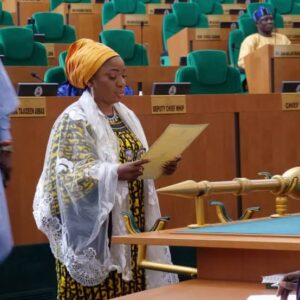
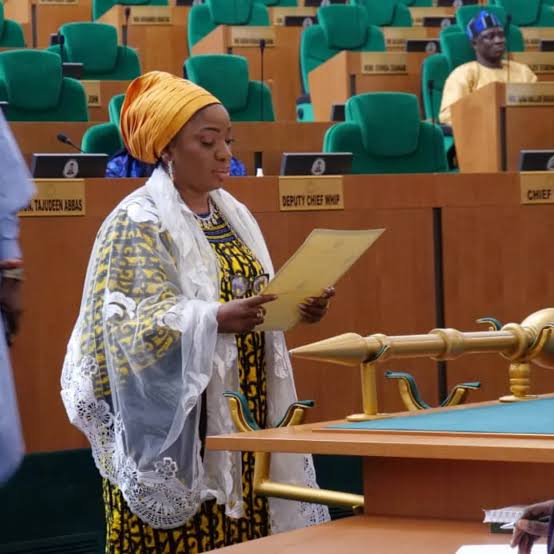
Fresh clarifications have emerged over the status of the proposed Federal University of Science and Technology, Remo, amid claims that the lawmaker representing Ikenne/Sagamu/Remo North Federal Constituency, Hon. Dr. Adesola Ayoola-Elegbeji, abandoned the bill.
Findings, however, indicate that the situation surrounding the bill is more complex and largely shaped by federal policy decisions rather than individual inaction.
The bill, originally sponsored by the late Rt. Hon. Adewunmi Oriyomi Onanuga, passed Third Reading in the House of Representatives on May 23, 2023, and subsequently scaled all legislative stages in the National Assembly. It is currently awaiting presidential assent.
Hon. Ayoola-Elegbeji only assumed office in October 2025 following a bye-election held in August of the same year—more than two years after the bill had already progressed beyond the House of Representatives. Observers note that attributing the delay in presidential assent to her may not accurately reflect the legislative timeline.
A major factor influencing the fate of such bills is the policy direction introduced by the Federal Government in 2025. On August 13 of that year, the Federal Executive Council, chaired by President Bola Ahmed Tinubu, approved a seven-year moratorium on the establishment of new federal tertiary institutions. The move was aimed at addressing concerns over the proliferation of institutions and the strain on available resources.
Providing further insight into the policy, Senate President Godswill Akpabio disclosed that some recently assented university establishment bills—such as the Federal University of Science and Technology, Epe—were approved before the moratorium came into effect.
Similarly, the Minister of Education, Tunji Alausa, clarified that approvals for institutions in locations including Epe, Ogoniland, and parts of Kaduna State were concluded prior to the policy decision, explaining why they were not affected.
Recent federal approvals further highlight this distinction. The Presidency reportedly approved take-off funds of N2 billion each for the Federal University of Science and Technology, Epe, and the Bola Ahmed Tinubu Polytechnic in Abuja. Analysts say these approvals relate to the operational take-off of institutions that had already received prior clearance, rather than the creation of new ones.
Against this backdrop, stakeholders argue that the delay affecting the Remo Federal University Bill should be viewed within the context of a nationwide policy framework rather than as a result of legislative abandonment.
Since assuming office, Hon. Ayoola-Elegbeji is said to have continued engagements with stakeholders on the matter. At a stakeholders’ meeting in Sagamu, discussions reportedly centered on the need for a coordinated approach in engaging the Presidency when the policy environment becomes favourable.
Political observers also caution against drawing direct comparisons between the Remo proposal and institutions approved before the moratorium, noting that such comparisons can create misleading impressions.
While the aspiration for a federal university in Remo remains strong, its realization may ultimately depend on future policy adjustments at the federal level. And, according to Hon. Ayoola-Elegbeji, she is committed to seeing the actualisation of the project.