Reps push to tackle kidnapping, banditry with private intelligence initiative
Reps push to tackle kidnapping, banditry with private intelligence initiative
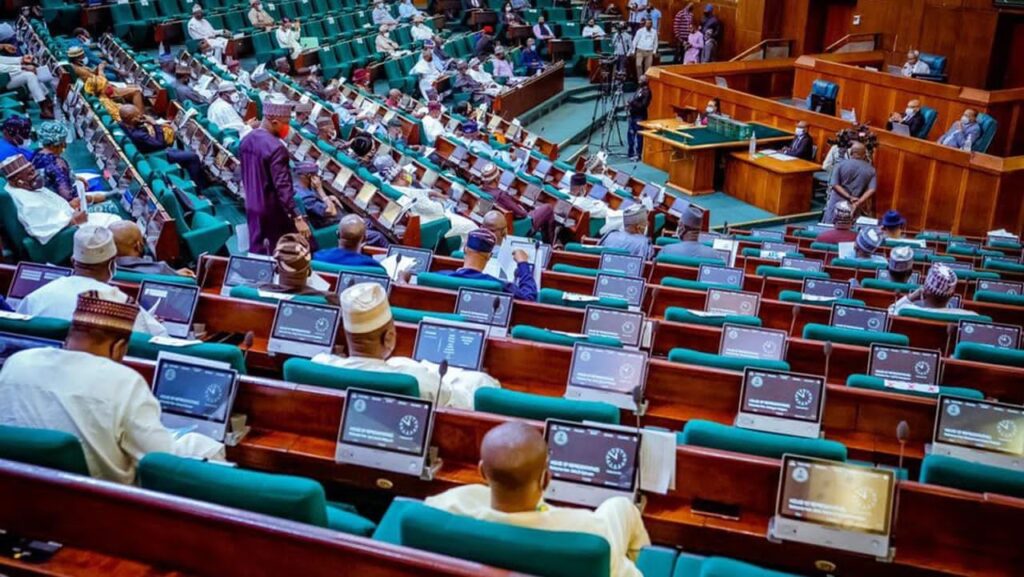
The House of Representatives on Wednesday debated a new bill designed to combat rising criminal activities in the country, particularly kidnapping and banditry.
The discussion followed a public hearing on the Private Intelligence and Investigation Council Bill, 2024, a proposed law seeking to reform and regulate private security operations nationwide.
In recent years, there have been growing calls for the decentralisation of the Nigerian Police Force to facilitate community policing.
While the creation of state police remains under consideration for constitutional amendment, security experts argue that private security agencies should be empowered through proper legislation to operate effectively and within the law.
Speaking at the event in Abuja, the Chairman of the House Committee on National Security and Intelligence, Ahmad Satomi, called on security stakeholders and indeed, all Nigerians to join hands in efforts to secure Nigerians and their properties.
He described the security situation in the country as challenging, adding that both the police and military needed the support of private security initiatives to deliver on their constitutional mandate.
“This bill is designed to build a robust regulatory structure that upholds professionalism, ethics, and accountability within the private intelligence and investigation industry.
“When passed, the council will accredit practitioners, standardise operations, promote capacity building, and strengthen synergy between the private and public security sectors,” he said.
Satomi listed the numerous security challenges being faced in the country, including kidnapping, insurgency, and terrorism, adding that with the adoption of technology, the challenges could be reduced to the barest minimum.
He noted that between May 2023 and April 2024, “Over 51.89 million crime incidents were reported across Nigerian households.
“Of these, about 2.23 million were kidnapping cases, with an estimated N2.23tn paid in ransom during this period.
“These alarming statistics underscore the urgency of strengthening our security architecture.
“While security agencies are doing their best, it is clear that combating these challenges requires collective effort because security is a shared responsibility.”
On the importance of the proposed legislation, the Borno lawmaker said, “The potential impact of this bill is substantial. It will not only establish a council to license and monitor private intelligence operators but also introduce mechanisms to ensure compliance and encourage partnerships that deliver better security outcomes.”
He addressed concerns raised in some quarters about potential conflicts with existing laws should the bill pass legislative scrutiny.
“Some stakeholders have expressed fears that Section 1(3)(a–f) of the bill could encroach on the statutory duties of certain security agencies, particularly in matters of security clearance and vetting,” he noted.
“Likewise, questions have been raised about possible overlaps with Section 4(i) of the Nigeria Police Act 2020, which could lead to duplication of responsibilities or legal conflicts.
“The differing positions among security agencies on jurisdiction highlight the persistent problem of poor inter-agency collaboration. This bill provides an opportunity to close those gaps and foster a more coordinated approach to intelligence management,” he added.