UK Reiterates Commitment to Partnering with Nigeria on Combating Cyber Threats
UK Reiterates Commitment to Partnering with Nigeria on Combating Cyber Threats

The United Kingdom has reiterated its commitment to strengthening cooperation with Nigeria in addressing the rising challenges of cybercrime and digital insecurity, promising technical assistance and intelligence sharing as part of an existing security partnership.
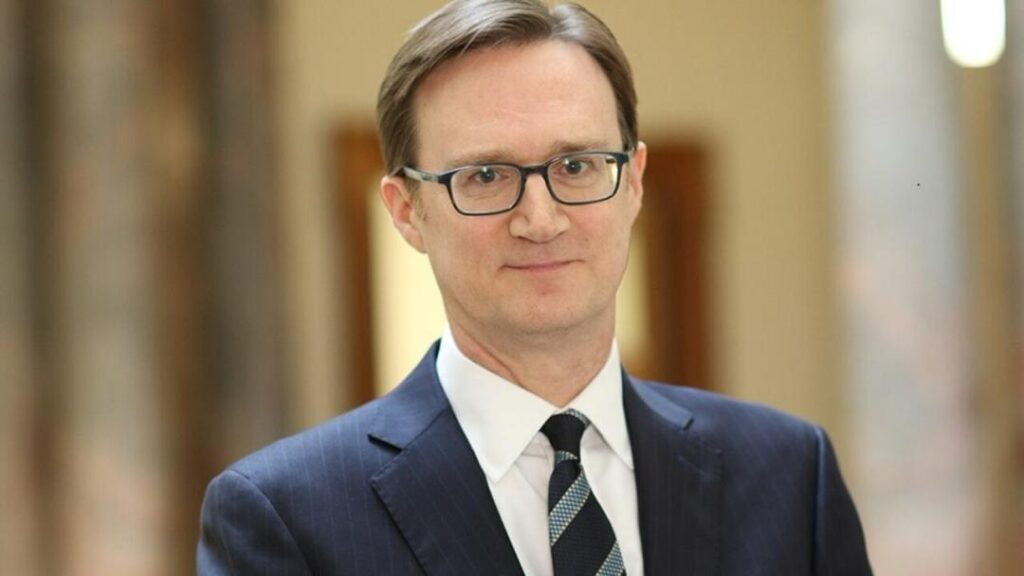
Speaking at the inaugural seminar on Anticipatory, Cyber, and Digital Diplomacy for Enhancing Nigeria’s Foreign Policy in Abuja on Tuesday, the British High Commissioner to Nigeria, Richard Montgomery, expressed satisfaction with the collaboration, noting that both countries had already achieved “shared successes” in combating cyber fraud and crime.
Montgomery explained that the UK–Nigeria cybersecurity partnership, established through a Memorandum of Understanding signed last year, focuses on five priority areas: threat hunting, cyber threat intelligence development, protection of critical national infrastructure, digital forensics, and national incident response planning.
“These areas are crucial to strengthening government cyber capacity and advancing international cyber diplomacy,” he said, cautioning that emerging technologies such as artificial intelligence could “accelerate” threats ranging from disinformation to hate speech.
While stressing that Nigeria would shape its own sovereign decisions in cyberspace, Montgomery said the UK was ready to share lessons from its Foreign Office and from partnerships with research institutions, private sector players and universities to help Nigeria build a resilient digital ecosystem.
The Minister of Foreign Affairs, Ambassador Yusuf Tuggar, welcomed the UK’s collaboration, stressing that Nigeria must act with urgency to position itself as a “principled, capable and forward-looking actor in the evolving global digital order.”
Tuggar also announced the creation of a Cyber Diplomacy Unit within the Ministry of Foreign Affairs to coordinate Nigeria’s international cyber engagements.
He said the unit would work closely with partners such as the UK while also training a new generation of African cyber negotiators and championing ethical digital governance.
“We must lead Africa’s digital future,” Tuggar declared, adding that Nigeria’s cyber diplomacy strategy would emphasise regional collaboration, inclusion of women and youth, and engagement with the private sector and diaspora.
Tuggar said the country must not remain a passive observer in a rapidly changing digital world.
“We are living through a historic transformation. The convergence of disruptive technologies, shifting geopolitical alignments, and deepening digital interdependence is redefining the foundations of diplomacy.
“From artificial intelligence and quantum computing, to the geopolitics of data and the militarisation of cyberspace, the very nature of statecraft is being rewritten before our eyes,” Tuggar said.
The minister stressed that Nigeria must act with urgency to position itself as “a principled, capable and forward-looking actor in the evolving global digital order,” calling for cyber diplomacy to be deeply integrated into Nigeria’s foreign service, national security framework, and multilateral engagements.
He added, “We must lead Africa’s digital future, training a new generation of cyber negotiators, expanding regional incident response capabilities, and championing African-led solutions to global digital challenges.
“This includes advancing climate-conscious data practices and ethical AI development.”
Explaining the significance of anticipatory diplomacy, Tuggar said, “It provides us with the ability to detect early warning signals, foresee systemic shocks and plan strategically for the future, whether in the global race for critical minerals, the regulation of artificial intelligence, or the restructuring of global supply chains.”
On cyber diplomacy, he noted it encompasses international cooperation on combating cybercrime, protecting infrastructure, safeguarding elections, and shaping global norms around data privacy, internet freedom, and information integrity.
“This is not optional. We are part of the equation. The only question to ask is how prepared we can be.
“Nigeria’s foreign policy must adapt to a world where private technology firms often wield more influence than sovereign states, and where digital platforms can shape public opinion, economic outcomes, and even conflict dynamics.
“As we seek greater influence within ECOWAS, the African Union and the United Nations, our engagement must be anchored in sovereignty, trust, and innovation,” Tuggar emphasised.
He also announced the creation of a Cyber Diplomacy Unit within the Ministry of Foreign Affairs, tasked with coordinating Nigeria’s cyber-related foreign policy and championing ethical digital governance.
“This is Nigeria’s digital gift to the world,” he said, referencing the launch of the Anticipatory Cyber and Digital Diplomacy Masterclass Series for African and Global South diplomats, which will be freely accessible online.
Tuggar further highlighted that inclusion of women and youth, regional collaboration, and engagement with the private sector and diaspora are central to Nigeria’s cyber diplomacy strategy.
Echoing similar sentiments, the Minister of Justice and Attorney General of the Federation, Lateef Fagbemi (SAN), said the digital era demanded a fundamental transformation in statecraft.
“The 21st century has introduced a paradigm shift in the nature of conflict, communication, and cooperation.
“Traditional diplomatic methods are no longer sufficient,” Fagbemi noted.
He underscored the need for legal and policy frameworks that can manage the impact of technologies like AI, data governance, and cybersecurity.
“Cyber threats pose a danger to national infrastructure and the rule of law.
“The legal framework must be strong enough to deter cybercrime, ensure justice, and promote international cooperation in safeguarding digital sovereignty,” the minister stressed.
Fagbemi further highlighted the need for ethical and responsible use of social media and digital platforms in public diplomacy, reaffirming the Ministry of Justice’s commitment to working with security agencies, the private sector, and civil society to build a secure digital future for Nigeria.
The seminar brought together diplomats, foreign policy analysts, legal experts, security agencies, and private sector representatives.
In recent years, diplomacy has expanded beyond traditional state-to-state relations to include emerging concerns such as cyberspace, artificial intelligence, and global digital governance. Nations like the United States, United Kingdom, China, and members of the European Union have adopted comprehensive cyber diplomacy strategies that address cybersecurity, data protection, AI ethics, and the growing role of technology companies in global affairs.
Nigeria’s digital foreign policy drew global attention in June 2021 when the government suspended Twitter after the platform deleted a tweet by then-President Muhammadu Buhari, sparking international debate over digital sovereignty, platform accountability, and freedom of expression.
By 2024, cybersecurity firm Nitroswitch reported that Nigeria was facing more than 4,000 cyberattacks daily. At the same time, the country continues to grapple with the damaging effects of misinformation and hate speech, both of which threaten national cohesion and governance.