Presidential Biography Sheds Light on Buhari’s Cautious Approach During 2022 Election.
Presidential Biography Sheds Light on Buhari’s Cautious Approach During 2022 Election.
A new book reveals why former President Muhammadu Buhari chose not to publicly endorse a successor before the 2022 presidential election. Titled “From Soldier to Statesman: The Legacy of Muhammadu Buhari,” the book offers an in-depth look into Buhari’s leadership style, security considerations, and internal party management within the All Progressives Congress (APC). Authored by Dr. Charles Omole, Director General of the Institute for Police and Security Policy Research (IPSPR), the 600-page work features insights from senior officials who closely worked with Buhari.
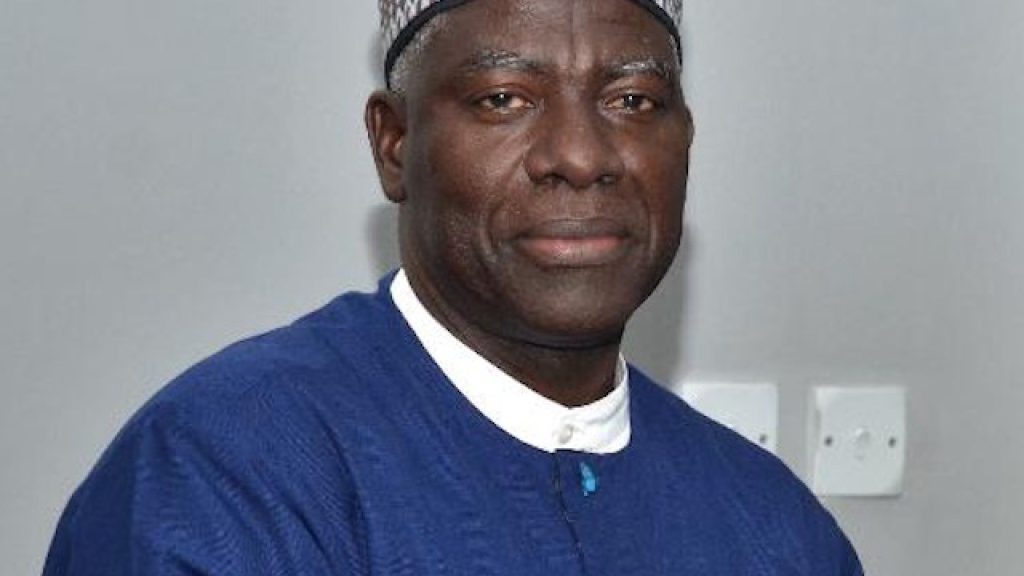
A key revelation comes from Yusuf Bichi, the former Director General of the Department of State Services (DSS). Bichi explains that Buhari deliberately avoided endorsing any candidate to protect lives and preserve party cohesion during a highly volatile political climate. According to Bichi, intelligence reports indicated that openly backing a candidate could have exposed that individual to serious security threats, given the intense competition and political hostility at the time.
Bichi emphasized that Buhari’s silence was a strategic security measure, often misunderstood as disinterest. Instead, it was aimed at preventing internal conflicts that could threaten the stability of the ruling party. He noted that Buhari believed publicly supporting a candidate could intensify rivalries, foster hostility, and even endanger the endorsed aspirant’s safety.
“In those months, knives were out; politically and, as security professionals know too well, sometimes literally,” Bichi stated in the book. He added that Buhari preferred to absorb criticism and allow the primary process to unfold naturally, distributing political risks among aspirants and avoiding the concentration of hostility on any single individual.
The book’s launch at the Presidential Villa drew notable attendees, including President Bola Tinubu, Gambian President Adama Barrow, governors, ministers, diplomats, traditional rulers, and Buhari’s family members.