Abiodun’s Industrial Revolution: Ogun Targets More Than $17bn in Proposed Investment.
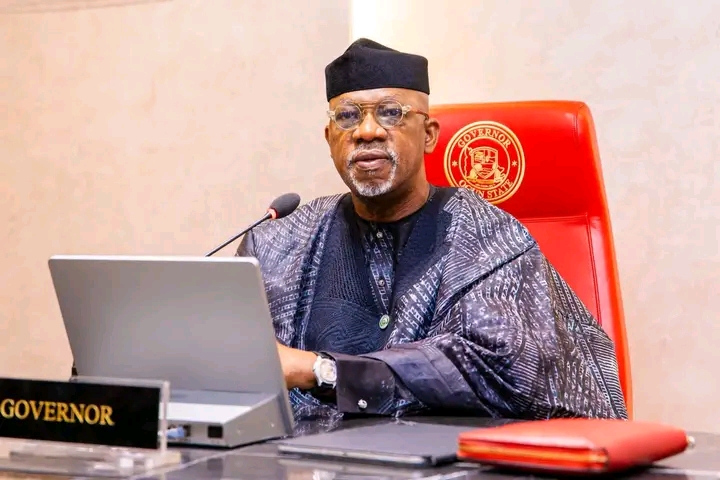
Abiodun’s Industrial Revolution: Ogun Targets More Than $17bn in Proposed Investment.
A proposed deep seaport and special economic zone, renewed plans for a major LNG project, more than 1,600 kilometres of roads and a cargo airport form the centrepiece of Ogun State’s drive to become a leading industrial and investment hub.
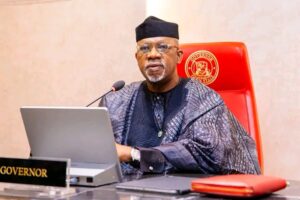
Ogun State is seeking to build on its established industrial base and strategic location beside Lagos with a pipeline of proposed investments valued at more than $17 billion.
The plans include a deep seaport and special economic zone backed by global logistics company DP World, as well as renewed efforts to advance the long-delayed OgunLNG project with the Nigerian National Petroleum Company Limited (NNPC).
Since taking office on May 29, 2019, Governor Dapo Abiodun has pursued an economic strategy focused on infrastructure, private-sector partnerships and improving the business environment. The aim is to position Ogun not merely as an extension of Lagos, but as a destination for manufacturing, maritime trade, logistics and energy investment.
The proposed investment figure represents projects at different stages of development—not funds already invested. Their impact will depend on financing, approvals and implementation.
Infrastructure for growth:The state government says it has constructed or rehabilitated more than 1,600 kilometres of roads across Ogun’s 20 local government areas. Better roads can help connect industrial centres, farms and communities, while reducing transport costs and improving access to markets.
Ogun also benefits from the Lagos-Ibadan standard-gauge railway and road links including the Sagamu-Ijebu-Ode-Ore route. The Gateway Agro-Cargo International Airport at Iperu-Remo is intended to support cargo movement, agricultural exports and logistics.
In June 2025, Abiodun outlined a goal of making Ogun Nigeria’s most connected subnational entity through integrated road, rail, air and water transport. The strategy is designed to make infrastructure a platform for commerce and investment.
Seaport and special economic zone:On September 24, 2026, the state signed memoranda of understanding with DP World MEA FZE in Paris for the proposed Gateway Deep Sea Port and Ogun State Blue Marine Special Economic Zone. President Bola Tinubu witnessed the signing.
The proposed initial investment exceeds $7 billion. The special economic zone is expected to cover more than 10,000 hectares, with the potential to host industrial, logistics and distribution businesses. The project is projected to create more than 50,000 direct jobs, though actual employment will depend on development and business activity.
The government has indicated that construction could begin in November 2026, with substantial completion projected within about two and a half years. These timelines remain subject to implementation progress.
Renewed focus on OgunLNG:Abiodun has also disclosed a proposed $10 billion initial investment by NNPC in the OgunLNG project along the Olokola coastal corridor. Discussions have included land requirements of about 1,728 hectares and access to approximately 2.5 kilometres of Atlantic coastline. The state has indicated its willingness to support land facilitation and relevant incentives.
OgunLNG remains under discussion. If realised, it could support energy-intensive industries and create opportunities in construction, engineering, processing and related services.
Turning proposals into results:Together, the port, economic zone and LNG project could connect maritime trade, industrial production and energy supply. They may also generate opportunities for local suppliers, transport operators, contractors and small businesses.
But announcements alone will not deliver economic benefits. The projects must progress to construction and commercial operation, while local employment, skills development and community engagement help ensure residents share in the gains.
Ogun’s industrial ambition will ultimately be measured not by the headline investment figures, but by completed projects, businesses established, jobs created and lasting improvements in people’s lives.