Kolapo’s Traditional Recognition Adds New Dimension to PDP’s Ogun Campaign

Kolapo’s Traditional Recognition Adds New Dimension to PDP’s Ogun Campaign

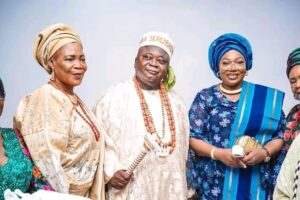
The planned installation of Hajia Lateefat Oyeyemi Yemi Sowunmi-Kolapo as the Akinkanju of Egbaland has drawn attention to the potential political significance of her new title ahead of the 2027 Ogun State governorship election.
The title, meaning “the brave one” or “champion,” is expected to be conferred at Ake Palace this Saturday. While chieftaincy titles are often viewed as cultural honours, Kolapo’s supporters believe this one could strengthen her public profile and reinforce her connection to Egba communities.
Kolapo is the Peoples Democratic Party’s deputy governorship candidate alongside Hon. Oladipupo Adebutu, commonly known as Lado. She is an Egba daughter from the Itoku family and has received several titles in recent years, including Iya Sunnah of Egbaland, Iyalode of Egba Muslims and Ameerah Musulumi of Ijemoland. She was also reportedly honoured during a recent homecoming to Itoku.
For Adebutu, who is from Ikenne in Ogun East, Kolapo’s roots may help the PDP strengthen its outreach in Egba areas, including Abeokuta and surrounding communities. The Egba bloc is considered an important constituency in the state’s electoral landscape. Her traditional recognition could offer visibility and community access that campaign messaging alone may not provide.
Supporters also see the title as complementing her religious standing. Kolapo’s existing roles within Muslim communities give her connections through religious networks, while the Akinkanju title may deepen her links with traditional institutions. Together, these relationships could help the campaign engage a wider cross-section of voters.
The title may also provide a symbolic frame for Kolapo’s public message. During recent ward-to-ward visits, she has argued that money alone will not determine the outcome of the 2027 election. The “brave one” meaning of Akinkanju could reinforce a campaign image centred on courage, independence and resistance to political pressure.
Women voters and grassroots organisations are also likely to be a focus. Kolapo’s supporters point to her reported empowerment initiatives in Ijemo, which they say have reached widows and farmers over several years. They believe her traditional recognition could help expand these community networks beyond party structures.
The title, however, is not a guarantee of electoral success. Its political value will depend on how the campaign translates recognition into sustained engagement and support across Ogun State. For now, the planned installation offers Kolapo a prominent cultural platform—and gives Adebutu’s 2027 campaign another opportunity to strengthen its presence in Egba communities.