Dangote, Sinotruk Unveil Locally Assembled Electric Truck in Lagos
Dangote, Sinotruk Unveil Locally Assembled Electric Truck in Lagos
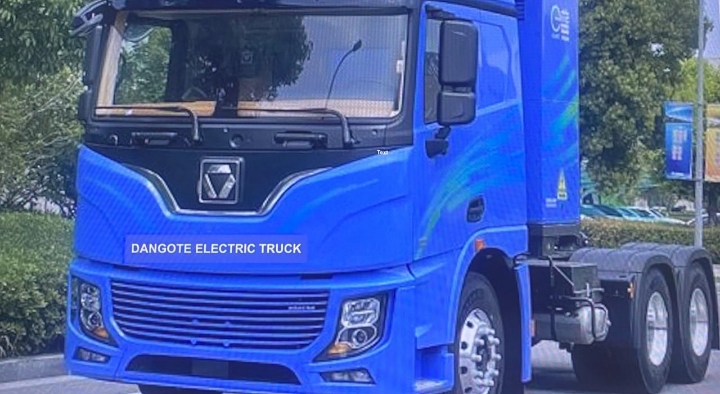
Dangote Group, in partnership with Chinese commercial vehicle manufacturer Sinotruk, has unveiled a locally assembled electric heavy-duty truck in Nigeria, marking a significant development in the country’s automotive and transportation industry.
The electric vehicle was unveiled on Sunday, November 15, at the Dangote Sinotruk assembly facility in Ikeja, Lagos. The development represents an expansion of the joint venture’s operations into electric mobility, adding battery-powered commercial vehicles to its existing range of trucks, tippers, pickups and buses.
Speaking at the unveiling, Devakumar Edwin, Group Vice-President of Dangote Industries Limited, said the introduction of electric commercial vehicles reflected the company’s commitment to adopting emerging technologies and providing more transportation options.
He explained that the partnership was established to strengthen local vehicle assembly, promote technology transfer, create employment opportunities and contribute to Nigeria’s industrial development.
Edwin also noted that electric trucks could help reduce operating costs and vehicle emissions, depending on electricity prices, charging infrastructure and the nature of their operations.
However, he acknowledged that successful adoption would require reliable charging facilities, technical expertise, spare parts and effective after-sales support. He said the company was preparing to provide the necessary infrastructure and technical assistance to support customers.
Also speaking, Sinotruk Group President, Liu Wei, described the unveiling as an important milestone for Nigeria and the African automotive industry. He disclosed that the joint venture had assembled more than 8,000 vehicles locally and would continue investing in production facilities and technical training for Nigerian workers.
The development is expected to strengthen local vehicle assembly and expand the country’s participation in the growing electric mobility industry. However, the availability of charging infrastructure, affordable electricity and adequate technical support will be essential to the success of electric commercial vehicles in Nigeria.