Tinubu Pledges to Resolve Power Shortages in Hospitals

Tinubu Pledges to Resolve Power Shortages in Hospitals
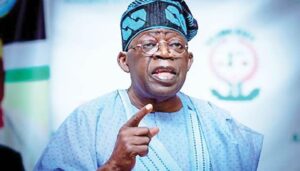
President Bola Tinubu has restated his administration’s resolve to revamp Nigeria’s health sector, with a major focus on ending the chronic power shortages that hinder hospital operations.
Speaking through the Secretary to the Government of the Federation, Senator George Akume, at the National Stakeholders’ Dialogue on Power in the Health Sector held in Abuja on Tuesday, Tinubu stressed that no Nigerian should die due to electricity failures in medical facilities.
“We are confronted with a critical challenge that touches every citizen: the persistent power crisis in our tertiary hospitals and public health institutions. From surgical theatres to maternity wards, intensive care units, laboratories, and emergency rooms, frequent outages put lives at risk, disrupt care, and compromise safety. This situation requires urgent and collective action,” the President said in a statement issued by the SGF’s media aide, Yomi Odunuga.
Condemning the trend as unacceptable, Tinubu pledged that his government would prioritise sustainable energy solutions to ensure reliable power supply across health facilities nationwide.
“These outages cannot continue, and under our administration, they should not. Lives are at stake. We must act now,” he stressed.
The President explained that improving energy supply in healthcare is a key part of the Renewed Hope Agenda, which seeks to decentralise energy systems and encourage private sector participation.
“My administration is fully committed to transforming the health sector by targeting innovative solutions to its hydra-headed challenges, including sub-optimal, inefficient, and uneconomical electricity supply that drives up costs, disrupts care, compromises quality, and increases patient dissatisfaction.
“This initiative to advance energy solutions in our hospitals is not isolated; it is integral to addressing energy poverty in Nigeria by deploying tailor-made solutions and fostering private sector involvement,” Tinubu added.
He assured investors of a supportive business climate across the health, energy, and infrastructure sectors, promising collaboration with credible partners, particularly in renewable and hybrid power solutions.
Highlighting national initiatives, Tinubu referenced the Energy Transition Plan and ongoing electricity sector reforms as foundations for a cleaner, decentralised, and more resilient power system. He explained that the plan prioritises off-grid solar and hybrid solutions for public institutions, backed by incentives, regulatory support, and innovative financing to draw in private investment.
Nigeria’s health sector has long struggled with chronic underfunding, poor infrastructure, and deep-rooted inefficiencies. Among its most pressing challenges is unreliable electricity, which continues to endanger patients and strain healthcare workers.
In August 2024, the Federal Government introduced a 50 per cent electricity subsidy for hospitals and schools to cushion rising energy costs. However, months later, the Medical and Dental Consultants’ Association of Nigeria reported that many facilities were still billed at full tariffs, casting doubt on the policy’s effectiveness.
By February 2025, Coordinating Minister of Health Muhammad Pate disclosed that the national budget had allocated funds for solar installations in hospitals, including the University College Hospital, Ibadan, which had endured a notorious 100-day blackout that disrupted surgeries, diagnostics, and training.
The government followed up in March 2025 with a national dialogue and the inauguration of a multi-agency committee to design a comprehensive energy policy for the health sector. In August 2025, Tinubu further approved ₦100 billion for the National Public Sector Solarisation Initiative, targeting hospitals and other public institutions.
Still, despite these moves, electricity remains unstable in many health facilities, particularly in rural and semi-urban areas, where medical staff often rely on flashlights and diesel generators to carry out life-saving procedures.