Nigeria Reinforces Commitment to Blue Economy and Transport Reforms at 2025 CILT Conference
Nigeria Reinforces Commitment to Blue Economy and Transport Reforms at 2025 CILT Conference
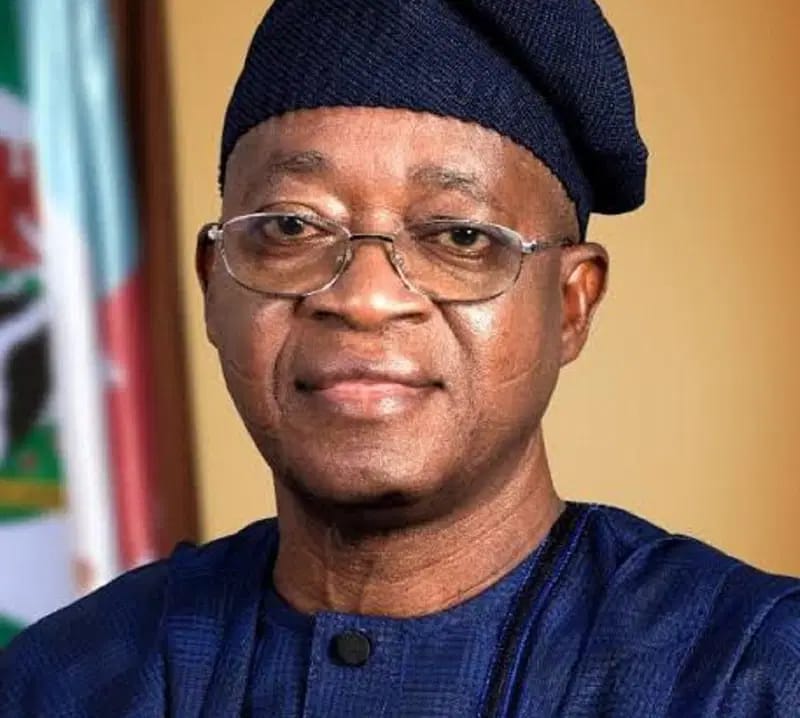
The Minister of Marine and Blue Economy, Dr. Adegboyega Oyetola, has reaffirmed Nigeria’s dedication to advancing its maritime, logistics, and transport sectors through innovation and strategic reforms. Speaking at the opening of the 2025 Annual Conference of the Chartered Institute of Logistics and Transport (CILT) in Lagos, with the theme “Enhancing Logistics and Transport for a Sustainable Blue Economy in Nigeria,” Oyetola emphasized the government’s commitment to turning the maritime and logistics industries into drivers of inclusive economic growth.
Represented by Dr. Abubakar Dantsoho, Managing Director of the Nigerian Ports Authority, Oyetola highlighted the importance of the Blue Economy—an approach focused on the sustainable utilization of ocean and inland water resources for prosperity, livelihoods, and employment. He noted Nigeria’s 853-kilometer coastline and extensive waterways as key assets with immense potential for national development, provided they are managed with efficient logistics and transport systems.
He described the Blue Economy as a global priority and stressed that Nigeria’s strategic maritime geography offers a significant advantage in Africa. “The ability to move goods, people, and services seamlessly by sea, land, and air is the lifeblood of commerce and industrial growth,” Oyetola said. He pointed out that President Bola Tinubu’s administration recognizes this sector as a vital diversification pathway beyond oil, exemplified by the establishment of the Federal Ministry of Marine and Blue Economy—a move aimed at fostering innovation and sustainability within the sector.
Oyetola announced several initiatives, including a $1 billion port modernization project in Lagos designed to increase cargo capacity and adopt international best practices. He also mentioned plans for similar developments at other ports across Nigeria to promote balanced growth nationwide. Additionally, he highlighted the success of the Deep Blue Project, which has maintained zero piracy incidents for over three years, enhancing investor confidence and reducing maritime operation costs.
Furthermore, the minister unveiled Nigeria’s 10-year National Blue Economy Strategy, intended to unify policies on maritime activities, fisheries, logistics, and coastal development, ensuring that economic growth aligns with environmental and social sustainability.
In her welcoming address, Mrs. Mfon Ekong Usoro, President of CILT Nigeria, praised the institute’s evolution into one of Africa’s leading professional bodies in logistics and transport. She noted that the conference serves as a crucial platform for shaping policy directions and fostering innovation in the Blue Economy and logistics sectors. She also highlighted CILT Nigeria’s history since its founding in 1958, its extensive presence across 13 states, and its globally recognized certifications that have transformed logistics education in Nigeria.
Usoro commended the conference committee, led by Prof. Kayode Oyesiku, for curating a program focused on sustainability, green shipping, and supply chain innovation. She also highlighted partnerships with institutions such as the Maritime Academy, Nigerian Army College of Logistics, and the African Centre for Supply Chain, which have strengthened professional capacity and policy implementation.
She pointed out that CILT Nigeria’s revenue increased by over 240% between 2022 and 2025 due to prudent management and digital transformation efforts. She also noted the increasing international influence of Nigerian professionals within CILT, with many holding prominent roles on global committees and speaking at international forums.
As the conference progresses, delegates continue to commend Oyetola and Usoro for their visionary leadership, emphasizing their focus on sustainability, digitalization, and sector reform. The 2025 CILT Conference is expected to set new standards for Nigeria’s transport and Blue Economy sectors, positioning the country for a more competitive and sustainable future on the global stage.