June 12… Promise Of a Brighter Tomorrow ?
June 12… Promise Of a Brighter Tomorrow ?
Nigerians ask…
Kolade Folarin Kadeshprince
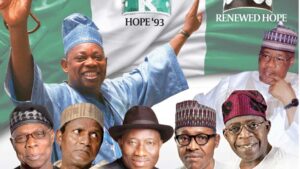
In the quiet moments of reflection, as June 12 dawns again upon Nigeria, a question lingers—a weight on the heart of every Nigerian: When will this struggle end? When will we see the dawn of a truly free, fair, and just nation? For years, this date has been etched into the collective consciousness, a symbol of hope, resilience, and unfulfilled promises.
Today, Nigeria claims to celebrate Democracy. Yet, the story of Democracy in our land is a complex tapestry woven with hope, disappointment, resistance, and relentless longing for change. The official Democracy Day was shifted from May 29—the day Nigeria returned to civilian rule in 1999—marking the beginning of the Fourth Republic. But for many Nigerians, that date has lost its significance, overshadowed by the memories of a pivotal moment that continues to define our political history: June 12, 1993.
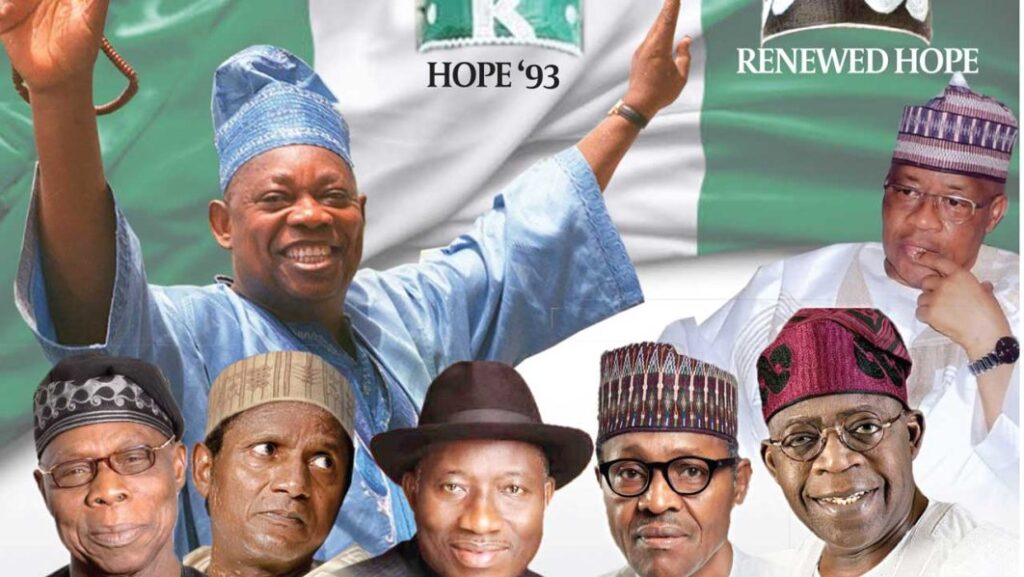
June 12 was not just an election; it was a beacon of hope. It was a day when Nigerians, tired of military dictatorship, dared to believe in the possibility of true democracy. Under the open ballot system—Option A4—Nigerians cast their votes openly and honestly, yearning for a new dawn. The results declared that Moshood Kashimawo Olawale Abiola, a man of integrity and hope, had won the presidency with over 8 million votes. Yet, barely two weeks later, that hope was brutally snatched away by the iron fist of military power, as General Babangida annulled the election, plunging the nation into chaos and despair.
That election was perhaps the fairest, freest, and most transparent in Nigeria’s history. It was a moment when the voice of the people echoed loudly, demanding change. But the powers that be chose to silence that voice, setting Nigeria on a path of prolonged struggle. The day was later overshadowed by political shifts, but for many, June 12 remains a sacred symbol—a reminder that democracy is not given; it is fought for.
The movement to recognize June 12 as Nigeria’s true Democracy Day was born out of relentless pressure from activists, civil society, and citizens who refused to forget. They believed that this date embodied Nigeria’s democratic aspirations far more than May 29, a day that marked the end of military rule but not necessarily the beginning of true democratic governance. For them, June 12 represents the spirit of resistance, the courage to challenge injustice, and the hope for a Nigeria where sovereignty truly belongs to the people.
Yet, as we stand here today, the promises of that election remain unfulfilled. Nigerians held onto hopes of progress, of transformation. We believed our leaders would rise above greed and corruption. But disappointment has become a bitter companion. We watched leaders come and go—Yaradua, whose brief tenure was like a flicker of hope; Goodluck Jonathan, the man born into adversity, who tried his best but was ultimately overwhelmed by the weight of the system. His “Minority” label, his efforts to bridge divides, and the Occupy Nigeria protests—these are the echoes of a nation crying out for justice and equality.
Then came Buhari, who promised to change the narrative. He took steps, made reforms, and shifted some paradigms. But the question remains—when will the struggle truly end? When will Nigeria realize the democracy we fought for? When will the hopes of June 12 be fully realized in the lives of ordinary Nigerians?
Now, under President Bola Tinubu, there is renewed effort, a belief that change is possible. Yet, the frustrations persist. Nigerians are still asking—when will this cycle of struggle break? When will our leaders deliver on the promises of hope and transformation? The journey has been long, arduous, and often painful. But the resilience of the Nigerian spirit endures.
As we mark another June 12, we are reminded that the fight for democracy is ongoing. It is a battle for justice, for equality, and for dignity. It is a testament to the unbreakable spirit of a people who refuse to give up on their dreams of a better Nigeria.
The road ahead may be uncertain, but this much is clear: the struggle continues because Nigeria’s soul demands it. The hope persists because Nigeria’s future depends on it. And as long as the fight for democracy remains alive in the hearts of Nigerians, so too will the promise of a brighter tomorrow.