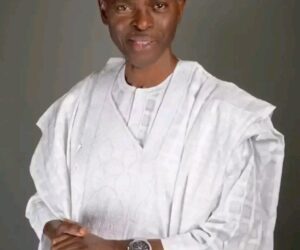
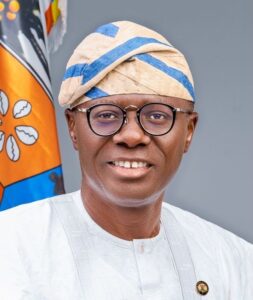
Nigeria’s Fuel Subsidy Debate Heats Up as Politicians Take Divergent Stands.
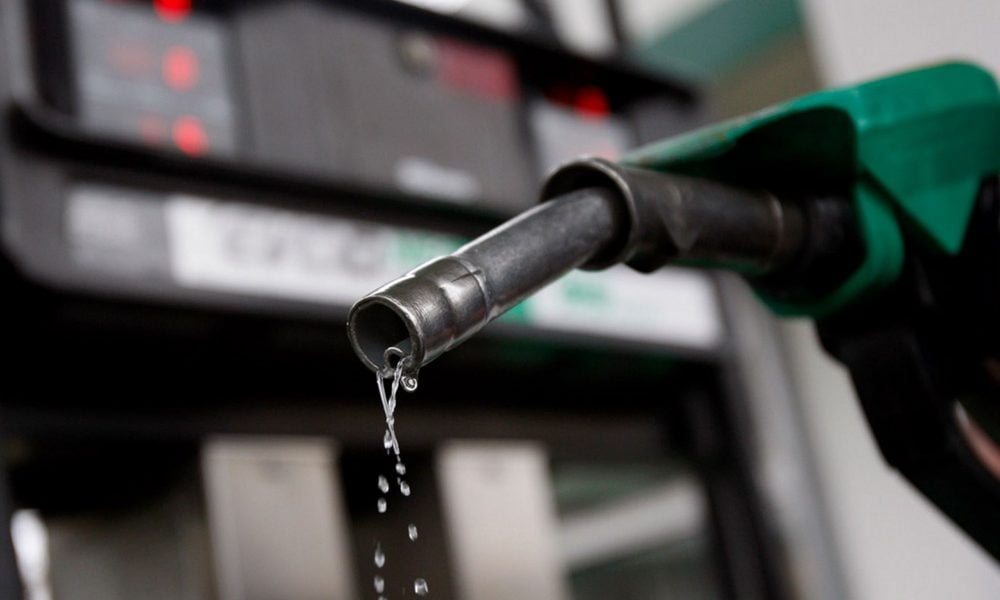
Nigeria’s Fuel Subsidy Debate Heats Up as Politicians Take Divergent Stands.
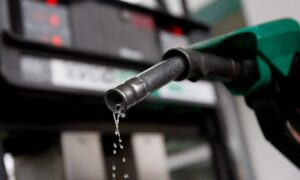
The debate over Nigeria’s fuel subsidy remains a contentious issue among economists, policymakers, and industry stakeholders. Recent political developments have further intensified the controversy, highlighting differing perspectives on the country’s energy and economic policies.
Recently, Atiku Abubakar, presidential candidate of the African Democratic Congress (ADC) and former Vice President, reignited the subsidy debate by stating he would restore the policy if elected in 2027. His proposal involves reintroducing fuel subsidies, but with a focus on subsidizing fuel sourced directly from Nigeria’s crude oil production, rather than imported refined petroleum. This marks a major shift from Atiku’s earlier stance, as he had previously advocated for the complete removal of fuel subsidies since 1999.
The current administration, led by President Bola Tinubu, took a decisive step early in his tenure by completely removing fuel subsidies on May 29, 2023. The immediate effect was a sharp increase in petrol prices, with the average rising from N545 per litre to between N1,230 and N1,299 in Abuja as of August 24, 2026. The government claimed that the subsidy removal had saved Nigeria N15.8 trillion between June 2023 and December 2025, with these funds allocated to infrastructure, debt servicing, and social programs. However, many Nigerians have felt the economic pain, as living costs, especially transportation and food, have skyrocketed.
Critics like Atiku and opposition figures argue that the savings have not translated into tangible benefits for ordinary citizens. Peter Obi, the Nigeria Democratic Congress presidential candidate, criticized the government’s handling of the savings, emphasizing that mismanagement and corruption have undermined the policy’s intended benefits. Obi advocates for transparency and better management rather than reverting to subsidy policies.
Economists and industry stakeholders have voiced caution against reinstating blanket fuel subsidies. Professor Godwin Oyedokun urges the government to adopt targeted subsidies for vulnerable populations and key sectors, warning that a blanket subsidy could rekindle fiscal crises, fuel leakages, smuggling, and corruption that plagued the previous subsidy regime. He emphasizes that the focus should be on channeling savings from subsidy removal into critical sectors like transportation, healthcare, and education to foster sustainable development.
Industry representatives such as Chinedu Ukadike of IPMAN advocate for reviving Nigeria’s refineries and petrol infrastructure, arguing that this would reduce dependence on imports and stabilize prices. Ukadike stresses that restoring domestic refining capacity would curb price volatility and boost competition, making subsidies unnecessary. Similarly, Billy Gillis-Harry of PETROAN condemns subsidy reinstatement as a “loss of opportunity,” citing Nigeria’s past borrowing of nearly N2 trillion to fund subsidies instead of investing in human capital and development.
As Nigeria approaches the 2027 elections, the fuel subsidy debate is expected to dominate political discourse. Stakeholders emphasize the need for transparent and sustainable energy policies that balance fiscal responsibility with social welfare, avoiding populist promises that could threaten Nigeria’s economic stability.