Medical Association Seeks Reforms to Secure Future of Medicine
Medical Association Seeks Reforms to Secure Future of Medicine
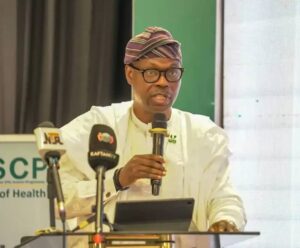
The Minister of State for Health and Social Welfare, Dr Iziaq Salako, has urged Nigerian doctors to embrace technological innovations, preventive healthcare and continuous professional development to improve healthcare delivery across the country.
Salako also called on medical practitioners to prioritise their personal health, adopt healthy lifestyles and pay greater attention to their mental wellbeing to secure the future of the medical profession.
He made the call on Thursday while speaking at the opening of the 2026 Physicians’ Week organised by the Ogun State chapter of the Nigerian Medical Association in Abeokuta. He was represented at the event by the Acting Provost and Medical Director of the Neuropsychiatric Hospital, Aro, Dr Sunday Amosu.
Speaking on the theme, “Securing the Future of Medicine in Nigeria,” the minister emphasised the need for doctors to improve their professional competence and adapt to emerging developments in medical practice.
He said healthcare professionals must embrace technology and focus more on preventing diseases rather than concentrating solely on treating illnesses after they occur.
Salako also stressed the importance of regular medical examinations, healthy diets and lifestyle changes in reducing the risk of non-communicable diseases.
According to him, doctors must lead by example by taking responsibility for their health and encouraging others to adopt healthy habits.
He explained that personal wellbeing was essential to maintaining professional effectiveness, adding that medical practitioners should pay attention to their nutrition and monitor their health status regularly.
Meanwhile, the Ogun State Commissioner for Health, Dr Tomi Coker, urged doctors to prioritise their physical, mental and financial wellbeing.
Coker warned that the demands of medical practice could negatively affect doctors’ health, particularly amid challenges such as inadequate infrastructure, ageing equipment and staff shortages in healthcare facilities.
She noted that physicians played important roles beyond diagnosing and treating illnesses, as they also provided emotional support to patients and families dealing with economic and social difficulties.
The commissioner maintained that securing the future of medicine required medical professionals to take care of themselves while continuing to serve the public.
Also speaking, the Chairman of the Nigerian Medical Association in Ogun State, Dr Sunday Enimola, called for improved working conditions, adequate staffing and better remuneration to address challenges facing the profession.
Enimola identified workforce shortages, medical migration, burnout, insecurity and inadequate infrastructure as major concerns requiring urgent government intervention.
He argued that Nigeria could not strengthen its healthcare system by demanding more from doctors without providing the necessary resources and supportive working environments.
The NMA chairman also advocated the integration of artificial intelligence, telemedicine and electronic health records into healthcare delivery, stressing that technology should support rather than replace medical practitioners.
He urged government agencies, universities, healthcare institutions and technology companies to collaborate on developing affordable digital health solutions.
Enimola added that improving medical education, career opportunities and professional welfare would help retain doctors in Nigeria and strengthen the country’s healthcare system.