AU Affirms Nigeria Free of Religious Persecution and Genocide, Says Idris and Tuggar

AU Affirms Nigeria Free of Religious Persecution and Genocide, Says Idris and Tuggar
The Nigerian Federal Government has dismissed reports of Christian genocide in the country, describing such claims as false and harmful to Nigeria’s reputation.
Foreign Affairs Minister Yusuf Tuggar emphasized the importance of transparency, calling for the full, unedited broadcast of his recent interview on Piers Morgan Uncensored. He warned that selective editing might distort Nigeria’s image and promote misleading narratives about religious persecution. Tuggar stated on X (formerly Twitter) that his comments during the interview were supported by verifiable data and that the entire conversation should be aired to preserve integrity.
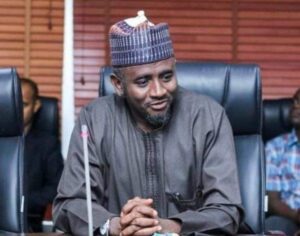
Meanwhile, the Minister of Information and National Orientation, Mohammed Idris, affirmed that Nigeria guarantees religious freedom. Speaking at the 5th National Advertising Conference in Abuja, Idris condemned the false narratives claiming religious persecution, describing them as damaging to Nigeria’s diverse and peaceful society. He highlighted that security challenges faced by Nigeria are not rooted in religious motives, noting that all Nigerians—Christians, Muslims, and others—have suffered from terrorism and banditry. Idris assured that the government is actively investing in security reforms to combat these threats.
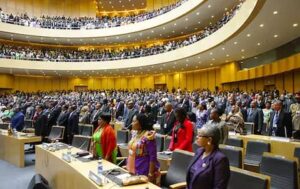
The African Union also weighed in, declaring that there is no genocide occurring in Nigeria’s volatile northern region. Additionally, the Pentecostal Fellowship of Nigeria (PFN) urged US President Donald Trump to collaborate with Nigeria’s President Bola Tinubu on security issues, rather than threatening military intervention.
Both ministers responded to Trump’s recent warnings of possible military action if Nigeria fails to eliminate terrorists and bandits. Tuggar, who recently met with his German counterpart in Berlin, reiterated that Nigeria’s constitution upholds religious freedom and that state-sponsored discrimination is unthinkable. He argued that Nigeria’s truth must be preserved and that external biases should not distort the country’s narrative.
Idris called on marketing and advertising professionals to help promote accurate stories about Nigeria, emphasizing their role as custodians of national perception. He urged them to counter false narratives with truthful, hopeful, and unifying messages, advocating for a “communication renaissance” focused on facts, unity, and truth.