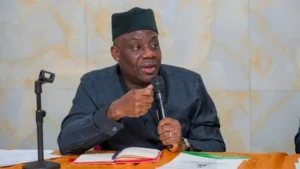
Tug of Power or the People’s Choice? Ogun East Senatorial Race between Governor Dapo Abiodun and Senator Gbenga Daniel
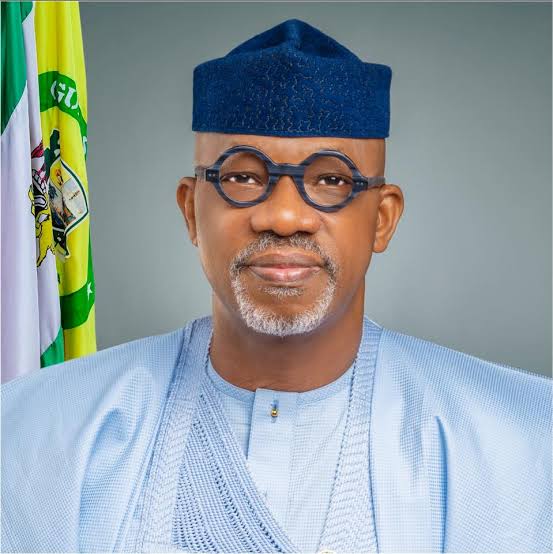
Tug of Power or the People’s Choice? Ogun East Senatorial Race between Governor Dapo Abiodun and Senator Gbenga Daniel
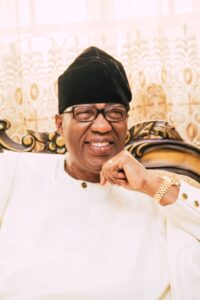
As the political landscape in Ogun State heats up ahead of the upcoming elections, all eyes are on the Ogun East senatorial district, where a fierce contest is brewing between two prominent figures: the incumbent governor, Prince Dapo Abiodun, and the seasoned politician and former governor, Senator Gbenga Daniel. The contest has ignited a debate: Is this a classic tug of power between political titans, or a reflection of the people’s genuine choice?
Prince Dapo Abiodun, who assumed office in 2019, is seeking to consolidate his political influence and continue his developmental agenda. His supporters tout his achievements in infrastructure, education, and health sectors, asserting that his governance aligns with the aspirations of Ogun East constituents.
On the other hand, Senator Gbenga Daniel, a two-term governor and a seasoned politician with deep-rooted influence in Ogun East, is making a strong bid to reclaim his political stronghold. Known for his political acumen and network, Daniel commands loyalty among a significant demographic, especially those who have historically aligned with his political ideology.
The race is more than just a contest between two individuals; it embodies a clash of political legacies and visions for Ogun State’s future. Dapo Abiodun represents a newer generation of leadership, promising reform and continuity, while Gbenga Daniel symbolizes experience and entrenched political machinery.
Supporters from both camps argue that their preferred candidate embodies the true will of the people. Abiodun’s followers emphasize his developmental strides, asserting that his re-election would ensure ongoing progress. Conversely, Daniel’s supporters claim that his track record as governor and senator reflects a deep understanding of the local needs and that his return would restore stability and experience to Ogun East.
The election has also become a microcosm of Nigeria’s broader political dynamics—are voters choosing based on genuine trust and performance, or are they swayed by political machinery and influence? Critics of the process question whether the race is a genuine reflection of the people’s choice or a power struggle among political elites vying for dominance.
Recent rallies and town hall meetings reveal a divided electorate. While some constituents express unwavering support for their preferred candidate, others voice concerns about the influence of money, political godfathers, and the role of party machinery in swaying votes.
The outcome of this electoral contest could have far-reaching implications for Ogun State’s political stability and development trajectory. A victory for Dapo Abiodun might reinforce the current administration’s policies, while a win for Gbenga Daniel could herald a shift in political alliances and priorities.
As the election day approaches, the question remains: will Ogun East’s voters exercise their sovereign power, choosing candidates based on merit and vision, or will their decision be overshadowed by the tug of political influence and legacy?
The Ogun East senatorial race epitomizes Nigeria’s ongoing struggle between the assertion of popular will and the persistence of political power plays. Whether it will be a true reflection of the people’s choice or a contest of influence remains to be seen. One thing is certain: the people’s voice must ultimately decide the future of Ogun East’s political landscape.