Nigeria at 66: Leaders call for unity, reform and renewed patriotism.
Nigeria at 66: Leaders call for unity, reform and renewed patriotism.
As Nigeria marked its 66th Independence Anniversary, government officials and political, religious and civic figures offered contrasting assessments of the country’s progress, calling for economic growth, national unity and stronger institutions.
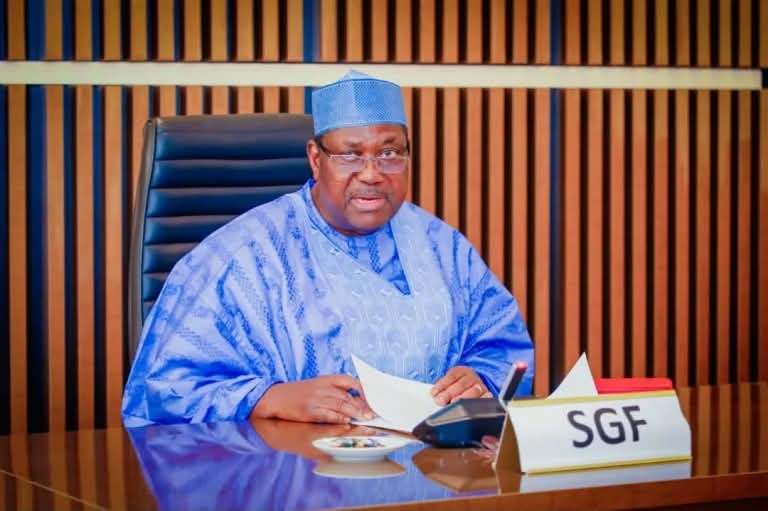
Secretary to the Government of the Federation George Akume said President Bola Tinubu’s economic reforms were beginning to deliver results. Speaking at an anniversary lecture in Abuja, he cited World Bank figures showing real GDP growth of 4.2 per cent in the first half of 2026, up from 3.9 per cent in the same period last year.
Akume said removing the petrol subsidy, reforming the foreign-exchange market and making fiscal changes were difficult but necessary steps to stabilise the economy. He said growth must now translate into jobs and higher incomes. The government, he added, was investing in infrastructure, agriculture, health, education, security and youth training.
He highlighted student loans, support for primary healthcare and vulnerable households, and projects including the Lagos-Calabar Coastal Highway, Abuja-Kano Highway and rail modernisation. He also cited efforts to improve electricity supply and expand compressed natural gas use, saying more than 120,000 vehicles had been converted.
On food security, Akume pointed to a World Bank-approved $500m credit for the Nigeria Sustainable Agricultural Value-Chains for Growth project, intended to raise smallholder productivity and strengthen food supply chains.
Senate President Godswill Akpabio paid tribute to Nigeria’s founding fathers and members of the armed forces and security agencies who died in service. He urged citizens to preserve unity and patriotism, describing Nigeria’s diversity as a national strength. He said the National Assembly would support measures aimed at improving people’s lives.
APC National Chairman Nentawe Yilwatda also defended the reforms, citing economic growth and foreign reserves of $51.9bn at the end of July. He said stabilisation must lead to better household incomes, employment and food security.
Accord chieftain Gbenga Olawepo-Hashim offered a more critical view, arguing that Nigeria had underused its human and natural resources. He called for stronger institutions, job creation and accountability, and urged voters to demand clear plans ahead of the 2027 election. His proposals include raising oil production, expanding domestic refining and reducing energy costs.
The Institute for Peace and Conflict Resolution urged political leaders and citizens to reject violence, hate speech and misinformation, particularly as the next election approaches. It called for greater investment in conflict prevention and action on poverty, unemployment and exclusion.
Cleric James Omitade said corruption and greed had weakened patriotism and community development. He called for a national values reset, arguing that collective progress must take precedence over personal gain.