Nigeria Pushes Shift From Humanitarian Aid to Stronger Poverty-Reduction Systems at UNGA 81
Nigeria Pushes Shift From Humanitarian Aid to Stronger Poverty-Reduction Systems at UNGA 81
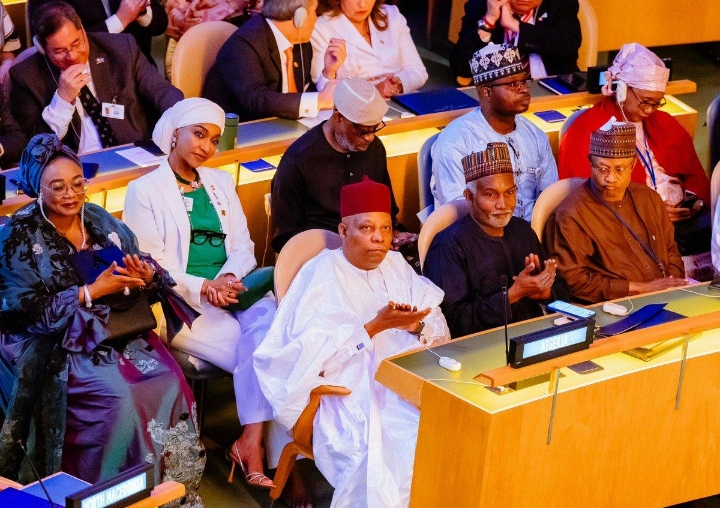
Nigeria is using the 81st United Nations General Assembly in New York to advocate a stronger national approach to poverty reduction, social protection and humanitarian response, with emphasis on building systems that can help vulnerable households recover from crises and become more resilient.
The Federal Government is expected to present the agenda at a high-level side event on September 24 titled “Beyond Assistance: Reducing Poverty, Advancing Protection and Building Shared Prosperity.” The event will examine how humanitarian assistance can be better connected with social protection, economic inclusion, recovery and long-term resilience.
At the centre of the government’s approach is the One Humanitarian One Poverty Response System (OHOPRS), which seeks to improve coordination between humanitarian interventions, poverty-reduction programmes and social protection. The initiative is intended to reduce duplication, improve the use of data and provide vulnerable households with pathways from emergency support towards recovery and self-reliance.
The move comes as humanitarian needs remain significant across Nigeria, while international humanitarian financing has declined. An analysis published by The Guardian reported about $7.83 billion in humanitarian funding tracked for Nigeria between 2014 and 2026, based on OCHA’s Financial Tracking Service. The figure represents recorded humanitarian financing and does not mean the funds were paid directly to the Nigerian government.
Nigeria has also begun a broader humanitarian transition with the United Nations, with the Federal Government working toward greater national leadership of humanitarian coordination from 2027. The government says international partners will continue to provide technical support during the transition.
The initiative therefore represents an effort to complement emergency assistance with stronger national systems capable of addressing poverty, displacement and vulnerability over the longer term.