D30 Platform to Link Investors with Nigeria’s Tourism, Creative Opportunities.
D30 Platform to Link Investors with Nigeria’s Tourism, Creative Opportunities.

The Federal Government has launched a digital platform to improve access to information about Nigeria’s tourism and creative industries, aiming to attract investment and help the sectors contribute $100bn to the economy and create more than three million jobs by 2030.
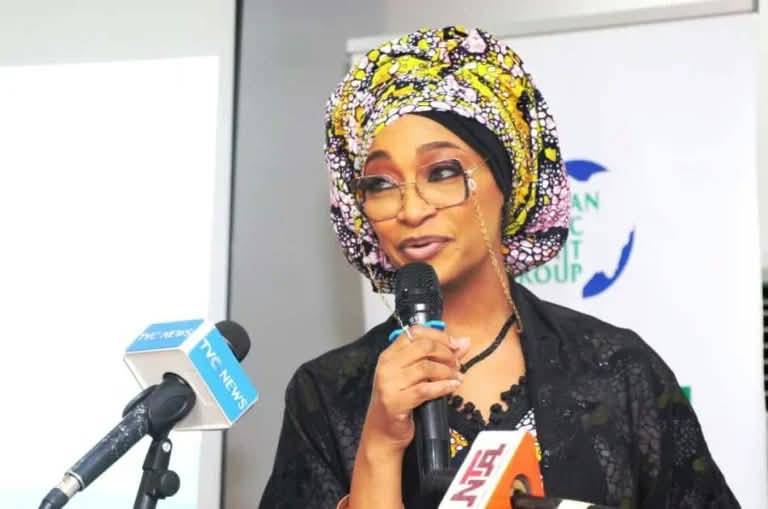
The platform, called D30 or Destination 2030, was unveiled in Abuja on Tuesday by the Minister of Art, Culture, Tourism and the Creative Economy, Hannatu Musawa. She said limited access to reliable, comprehensive data had hindered efforts to assess the industries’ potential and direct investment towards viable opportunities.
D30 is designed to bring together research, sector data and economic intelligence on areas including tourism infrastructure, cultural attractions, creative businesses, professionals and government programmes. The information is intended to help investors, businesses and public institutions identify opportunities, assess infrastructure needs and make better-informed decisions.
“Today, we are not simply unveiling a technology platform. We are taking a deliberate step towards changing how Nigeria understands, measures and harnesses the economic value of its cultural and creative assets,” Musawa said.
She cited potential uses such as helping investors assess locations for film-production facilities, assisting state governments in planning tourism destinations and supporting entrepreneurs seeking to expand their businesses. The platform, she said, is intended to turn fragmented information into practical intelligence that can guide investment and job creation.
Musawa said the initiative supports President Bola Tinubu’s Renewed Hope Agenda and the ministry’s 2030 targets. However, she cautioned that meeting them would require coordinated action, strategic investment, stronger institutions, improved infrastructure and a business-friendly environment.
She also stressed the links between tourism and creative industries. Nigerian music, films, festivals and cultural heritage can encourage people to visit the country, she said, creating demand for hotels, hospitality services and local businesses.
The ministry called on government agencies, state administrations, industry associations, businesses and research institutions to contribute information. Musawa said a collaborative framework would protect the confidentiality of contributed data while making verified, published intelligence available to stakeholders.
Permanent Secretary Abdulkarim Ozi described D30 as a central source of information intended to support policymaking, give investors clearer visibility of opportunities and help businesses identify areas for growth. He said the platform’s success should be judged by its contribution to investment, enterprise development and employment—not simply by the amount of information it holds.
Cavista Holdings Executive Director and Vice President for Government and External Affairs, Olumide Olayomi, said the company provided private funding and technical expertise through its subsidiary, Cavista Technologies, in partnership with the ministry. He said the platform combines information on tourism sites, infrastructure, creative professionals and government interventions.
Olayomi said its impact would depend on whether stakeholders use the information to make investment decisions and expand businesses. He also pointed to Cavista’s hospitality investment at Ikogosi Warm Springs Resort and Conference Centre in Ekiti State, noting the importance of infrastructure, access, skills and planning to tourism development.
The government says D30 is intended to address data gaps. Its longer-term effectiveness will depend on the accuracy and regular updating of its information, stakeholder participation and whether the platform helps generate measurable investment and jobs.