Nigeria Faces Possible US Military Aid Restrictions Over Child Soldiers.
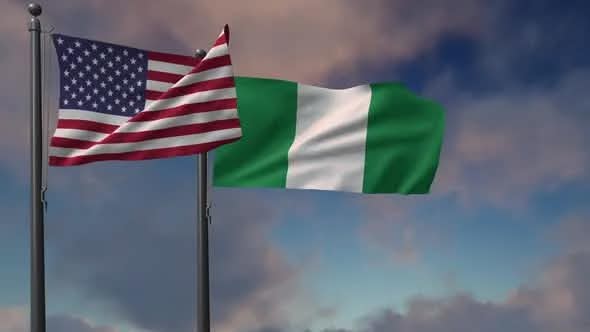
Nigeria Faces Possible US Military Aid Restrictions Over Child Soldiers.
The United States has placed Nigeria on its Child Soldiers Prevention Act (CSPA) blacklist, potentially restricting military assistance and equipment sales from October 1, 2026. The restrictions could be avoided if President Donald Trump issues a waiver or an exemption applies.
The designation was included in the US State Department’s 2026 Trafficking in Persons Report, published on October 11. Covering April 2025 to March 2026, the report named Boko Haram and Islamic State West Africa Province (ISWAP) as groups recruiting and using children in Nigeria.
According to the report, the armed groups abduct and exploit children as young as 12 as fighters, spies, messengers, porters, domestic workers and suicide bombers. It said children face physical and sexual abuse and forced drug use. The report also described the abduction and exploitation of women and girls, including through forced marriage, sexual slavery and forced labour.
The CSPA listing could affect International Military Education and Training, Foreign Military Financing, transfers of surplus defence equipment, some peacekeeping assistance and licences for direct commercial sales of military equipment. The potential restrictions come as the US and Nigeria continue security cooperation, including joint counterterrorism operations and a 2026 defence cooperation roadmap.
The report said Nigeria failed to meet minimum standards for combating human trafficking for the 15th consecutive year. It raised concerns about official complicity, noting that the government reported no investigations, prosecutions or convictions of officials allegedly involved in trafficking. Observers reportedly accused some law enforcement, military and other officials of committing trafficking offences, taking bribes or obstructing investigations.
Nigerian authorities investigated 1,341 trafficking cases involving 1,367 suspects. The report recorded 94 prosecutions and 97 convictions. Of 2,004 identified victims, however, only 675 received government-supported assistance, down from 2,058 the previous year.
It also criticised conditions in government shelters, including restrictions on residents’ movement and children’s access to school. Adult victims who declined shelter reportedly lacked alternative services, while only one dedicated non-government shelter was available for adult male survivors.
The report cited other concerns, including forced labour, fraudulent recruitment, “baby factories” and foreign criminal networks that allegedly confine people in Nigeria and force them to participate in online scams. It also raised allegations involving the recruitment of Nigerians to fight in the Russia-Ukraine war and possible exploitation of North Korean workers in Nigeria.
The US acknowledged some progress: increased funding for victim services and prevention, the repatriation of 428 Nigerians exploited abroad, restitution for 14 victims and anti-trafficking task forces in 23 states.
NAPTIP spokesperson Vincent Adekoye said the agency would respond publicly. Nigeria’s last Tier 1 ranking in the annual US trafficking assessment was in 2011.