NCDC Denies Ebola Outbreak In Nigeria, Warns Public Against False Information
NCDC Denies Ebola Outbreak In Nigeria, Warns Public Against False Information
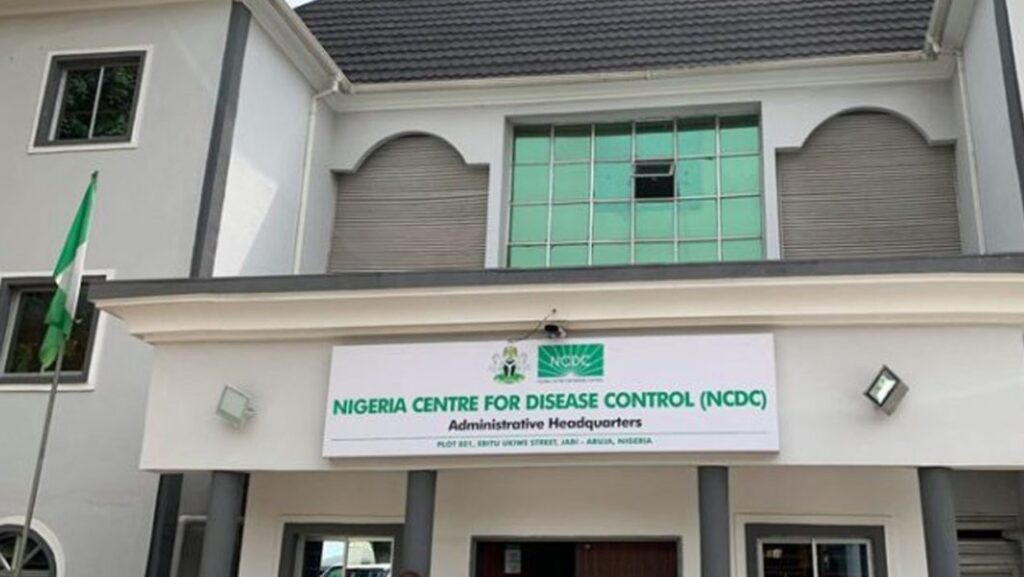
The Nigeria Centre for Disease Control and Prevention (NCDC) has assured Nigerians that there is currently no confirmed case of Ebola Virus Disease (EVD) in the country, while cautioning the public against spreading false or unverified information.
In a public health advisory released on Wednesday, the agency said it had intensified surveillance and preparedness efforts across the country following concerns over the recent Ebola outbreak reported in parts of Central Africa.
The NCDC urged citizens to remain calm and avoid circulating misleading reports capable of causing panic.
“Nigeria has not recorded any confirmed case of Ebola Virus Disease associated with the current regional outbreak,” the agency stated.
The health agency also dismissed several myths surrounding the disease, including claims that substances such as salt water, bitter kola, herbs, or seasoning cubes can prevent or cure Ebola.
“Early reporting, supportive medical care, and strict infection prevention and control measures are critical. Avoid self-medication and seek care promptly if symptoms develop,” the advisory stated.
The NCDC further clarified that Ebola and Hantavirus are different diseases with separate modes of transmission. While Hantavirus is mainly spread through exposure to rodent waste, Ebola spreads through direct contact with bodily fluids of infected persons.
The agency also rejected conspiracy theories suggesting Ebola outbreaks are deliberately created, noting that the disease has existed for years and has caused several outbreaks across different countries.
“Ebola Virus Disease is a known viral haemorrhagic illness that has caused outbreaks in several countries over the years,” the agency added.
Addressing public fears, the NCDC stated that not every fever-related illness should be mistaken for Ebola, as diseases such as malaria, typhoid, and Lassa fever also present similar symptoms.
The agency explained that health workers rely on laboratory tests, symptoms, travel history, and established case definitions before confirming any Ebola case.
Meanwhile, healthcare facilities nationwide have been directed to strengthen infection prevention measures, including hand hygiene practices, use of protective equipment, patient isolation procedures, and proper screening systems.
The advisory also warned against sharing rumours and unverified reports on social media, urging Nigerians to rely only on information released by recognised public health authorities.
“Sharing unverified information can create panic and confusion,” the NCDC warned.
The renewed alert follows the World Health Organisation’s declaration of the Ebola outbreak in the Democratic Republic of Congo and Uganda as an international public health emergency due to fears of regional spread.
According to the WHO, hundreds of suspected cases and more than 100 deaths have already been recorded across affected areas.
In response, the Federal Government said it had strengthened surveillance at border points and international airports to improve early detection and emergency response capabilities.
The NCDC listed common Ebola symptoms to include fever, headache, weakness, muscle pain, sore throat, vomiting, diarrhoea, and, in severe cases, bleeding.
Nigerians were advised to maintain regular hand hygiene, avoid contact with bodily fluids of sick individuals, and report unusual illnesses promptly to health authorities.