CNG, EV Infrastructure Challenges Nigeria’s October 1 Transport Fare Reduction Target
CNG, EV Infrastructure Challenges Nigeria’s October 1 Transport Fare Reduction Target

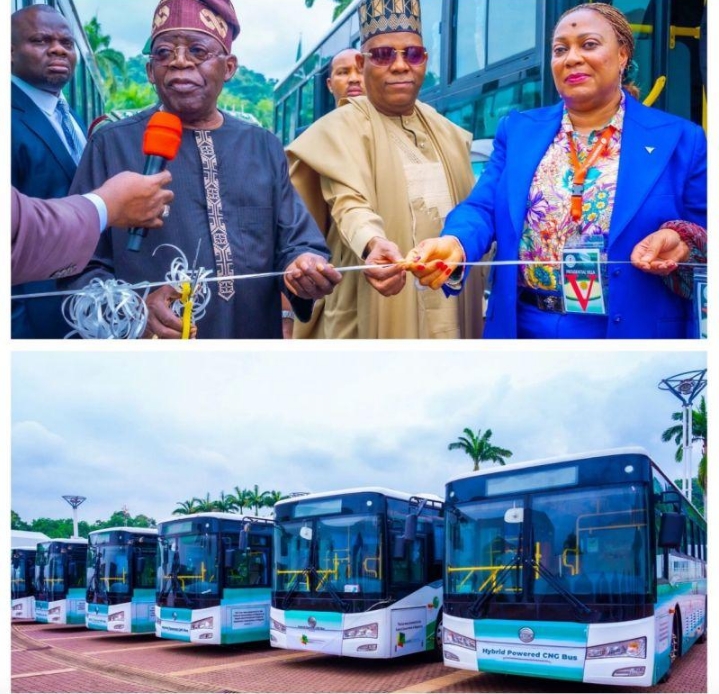
The Federal Government’s October 1 target for reducing transportation costs through Compressed Natural Gas (CNG) and electric vehicles is facing infrastructure and implementation challenges, even as cheaper fares have already been recorded on some government-supported routes.
President Bola Tinubu had directed state governments to work with transport operators and expand alternative-energy transport services so that more Nigerians would begin experiencing measurable reductions in transportation costs from October 1.
The Federal Government says more than 120,000 vehicles have been converted to CNG, while over 400 conversion centres and more than 90 refuelling stations are currently available nationwide. However, uneven infrastructure, limited access to CNG in some locations and reported long queues at refuelling stations remain challenges to wider adoption.
Fare reductions have already been recorded on selected routes.
Government-supported services in states including Borno, Enugu, Lagos and the Federal Capital Territory have reported lower fares compared with conventional transport services, while additional CNG and electric buses are being deployed.
However, implementation is not uniform nationwide. Some states are still expanding their fleets and supporting infrastructure, while the private transport sector continues to face conversion costs and access challenges.
The Presidential Initiative on CNG and Electric Vehicles has said the October 1 target is part of an ongoing expansion programme, with further investment in vehicles, refuelling and charging infrastructure expected to determine how widely the savings reach commuters.