Tinubu’s Three-Week Europe Trip Sparks Controversy: Abati Reacts.
Tinubu’s Three-Week Europe Trip Sparks Controversy: Abati Reacts.

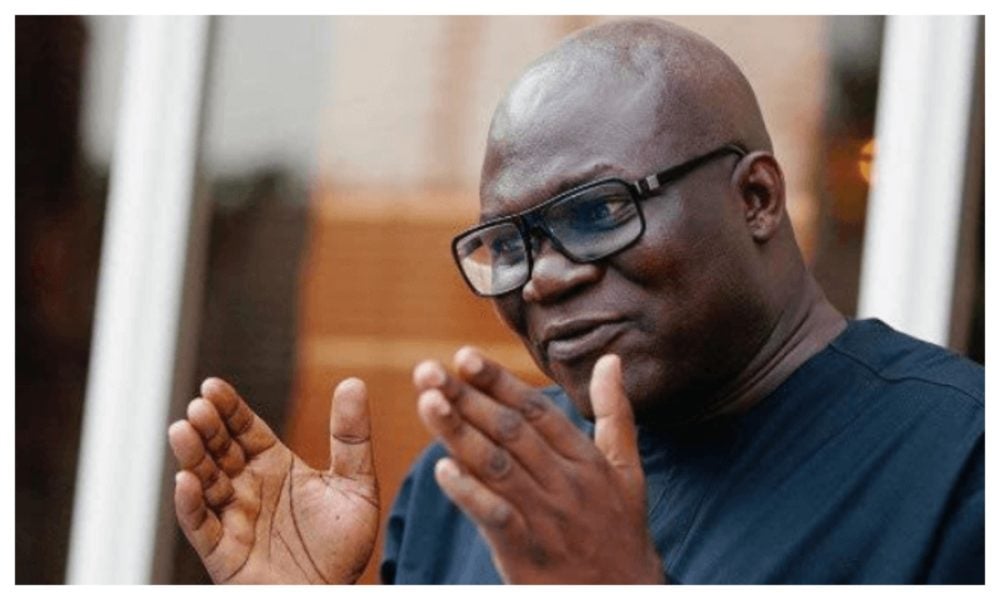
Former presidential aide and renowned journalist Reuben Abati has responded sharply to criticisms directed at President Bola Tinubu over his recent three-week vacation in Europe. Abati, who is also a host on Arise Television’s The Morning Show, dismissed the concerns raised by Atiku Abubakar, the presidential candidate of the African Democratic Congress (ADC), describing them as “embarrassing” and lacking proper research.
The controversy erupted after Atiku issued a statement on Sunday criticizing Tinubu’s absence from Nigeria during a period marked by widespread hardship among the populace. Atiku described Tinubu’s three-week working vacation as creating a “disturbing vacuum of political leadership,” raising questions about the president’s commitment to addressing pressing national issues.
In his response on Monday, Abati challenged Atiku’s assertions, arguing that the criticisms were unwarranted and politically motivated. He pointed out that Tinubu, as the sitting president, has the constitutional right to travel for official or personal reasons, and there is no law prohibiting such trips. Abati emphasized that the president’s travel arrangements should not be a basis for political attacks or questions about his leadership.
Abati also questioned the motives behind Atiku’s criticism, suggesting that it was more about political posturing than genuine concern for Nigeria’s stability. He pointed out that Atiku himself has traveled extensively and has never been subjected to similar scrutiny, implying a double standard.
The controversy highlights the ongoing political rivalry between Tinubu and Atiku as Nigeria approaches the 2027 elections. While Tinubu’s administration faces various challenges, including economic difficulties and security issues, critics like Atiku are scrutinizing every aspect of the president’s leadership style. However, supporters of Tinubu argue that the president’s ability to travel for work or leisure is within his constitutional rights and should not be politicized.
Abati’s remarks serve as a reminder of the complex dynamics of Nigerian politics, where leadership decisions and personal freedoms often become subjects of intense debate. As Nigeria continues to grapple with various socio-economic challenges, the focus remains on effective governance rather than political mudslinging over presidential travel plans.