APC Urges Transparency and Legal Clarity on Proposed Subsidy to Lower Petrol Prices.
APC Urges Transparency and Legal Clarity on Proposed Subsidy to Lower Petrol Prices.

The All Progressives Congress (APC) Presidential Campaign Council has issued a stern warning regarding former Vice-President Atiku Abubakar’s recent proposal to introduce a production subsidy for locally refined petrol. The APC cautioned that such a policy could potentially revive fuel smuggling and worsen Nigeria’s already strained fiscal situation.
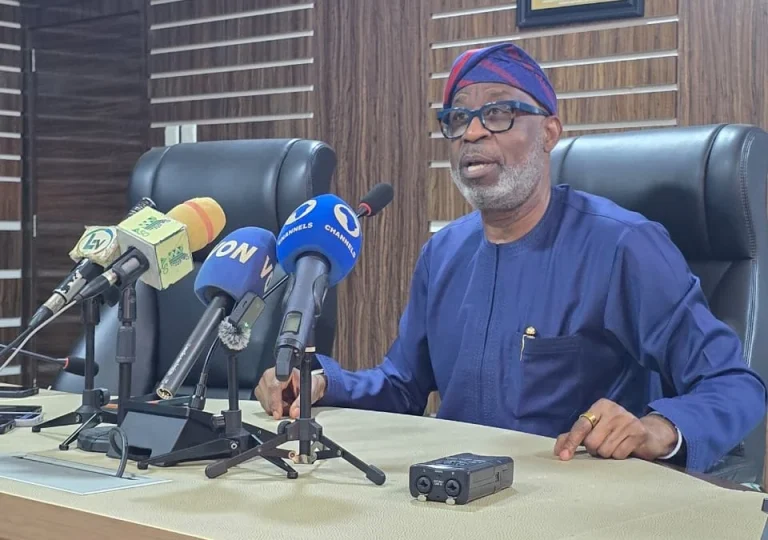
In a statement on Sunday, Dele Alake, the APC-PCC spokesperson and Minister of Solid Minerals Development, criticized Atiku for not providing comprehensive details about the legal framework, costs, and funding mechanisms of his proposed subsidy. Atiku had reiterated his call during a press conference in Abuja on Friday, advocating for a “production subsidy” aimed at lowering pump prices and urging President Bola Tinubu to reduce petrol and diesel prices.
Alake responded by raising concerns that the subsidy could undermine the deregulated downstream petroleum sector, which was reformed over the past two decades. He questioned how preferential pricing for domestic refiners would lead to lower prices for consumers, highlighting that any discounts on crude oil supplied to refiners might reduce revenue for the federation. The APC-PCC emphasized the need for Atiku to clarify whether refineries benefiting from the subsidy would be mandated to sell petrol at regulated prices, and if so, under which legal framework.
The council also pointed out that Nigeria’s Petroleum Industry Act (PIA) of 2021 enshrines free-market principles that determine petroleum pricing. They cited the Nigerian Midstream and Downstream Petroleum Regulatory Authority, which clarified that the government does not fix pump prices unless statutory conditions are met. Consequently, the APC-PCC questioned how the subsidy would operate within this legal context and whether legislative amendments would be necessary.
Cost implications also drew concern. The APC-PCC estimated that the subsidy could cost Nigeria between N17 trillion and N21 trillion annually, depending on discount levels, volume covered, and whether the support applied only to petrol or the entire crude barrel. The council demanded transparency on the subsidy rate, funding sources, safeguards against smuggling, and potential legal amendments.
Interestingly, the APC-PCC highlighted that Atiku’s current proposal appears inconsistent with his previous stance against fuel subsidies. In 2022, he described subsidies as fraudulent and committed to removing them. Yet, he now advocates for a form of subsidy, raising questions about his policy consistency.
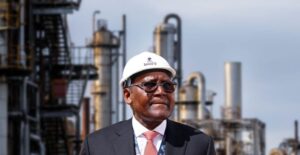
The APC-PCC also emphasized that Nigeria’s efforts have shifted towards expanding alternative transportation options, such as compressed natural gas (CNG) and electric buses, which have already resulted in significant fare reductions in various states. They criticized the subsidy approach as potentially benefiting smugglers and imposing additional costs on the government, contrasting it with the government’s focus on deregulation and domestic refining, including the new Dangote Refinery, which is expected to process up to 700,000 barrels daily during testing.
While acknowledging the impact of high fuel prices on households, the APC-PCC urged Atiku to publish detailed policy documents and independent assessments of his subsidy proposal. They reiterated that the current legal and operational frameworks do not support such intervention, warning that without clear mechanisms, the subsidy could lead to abuse, smuggling, and fiscal losses.